
Tenerife’s El Madroño Faces Extinction as Bureaucracy Stifles Rural Life
The small Tenerife community of El Madroño faces potential extinction as restrictive land-use regulations and a lack of essential services force younger generations to abandon their traditional agricultural heritage.
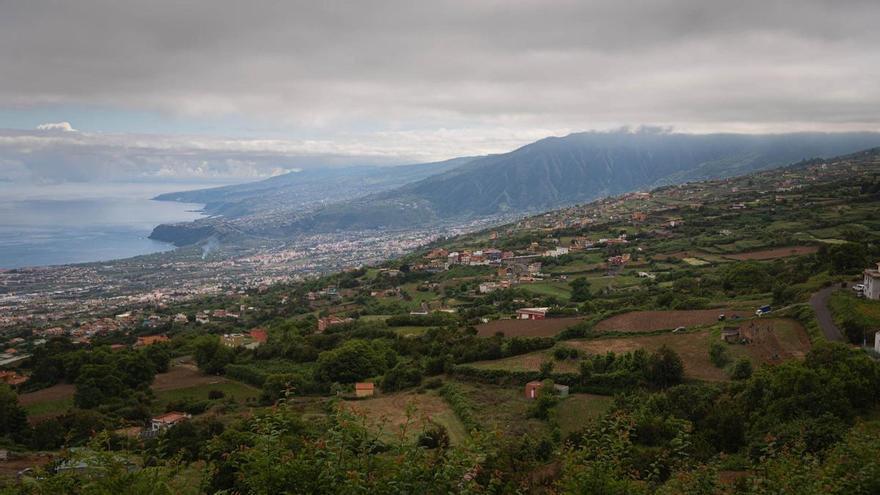
El Madroño, a small community in Los Realejos, highlights a common struggle across Tenerife’s mid-altitude regions: the difficulty of balancing agricultural heritage with strict regulations that residents say are blocking the next generation from staying. With fewer than 15 permanent residents left, the area is slowly depopulating, even as its traditional way of life persists.
The situation is filled with administrative contradictions. Long-time residents like Juan Luis Alonso and Pedro Dóniz Álvarez point to the area’s fertile soil, which has historically produced heirloom potatoes and various fruits. However, a lack of clear urban planning has led to informal building. Residents feel this system is unfair, claiming that while locals struggle with red tape, foreign investors seem to find it easier to navigate the bureaucracy to renovate estates or build new properties.
Located below the Chanajiga recreational area, El Madroño was also impacted by the 2023 forest fires. The community has shifted from a self-sufficient economy based on trading goods to one that is now entirely dependent on private cars. With no public transport, shops, or medical services nearby, young people are often forced to move away to find housing and better access to amenities.
While older residents still maintain traditional practices, such as using caves for storage, their deep connection to the land is no longer enough to keep the settlement viable. The area is changing, with a mix of vacation rentals, new residents from abroad, and local families trying to hold on. Ultimately, El Madroño serves as a reminder of the challenge facing local authorities: they must find a way to protect rural land while providing the legal support needed by the families who have kept these landscapes alive for generations.