
Tenerife’s Culinary Revival: How Authentic Local Dining is Redefining Island Tourism
A recent National Geographic feature highlights Tenerife’s evolving culinary scene, showcasing how authentic local dining in Tajao, La Victoria de Acentejo, and El Sauzal has become a central pillar of the island's tourism identity.
Tenerife’s food scene is back in the spotlight, proving that dining is now a key part of the island’s tourism experience. A recent National Geographic feature highlights how the island’s culinary identity goes beyond the usual tourist spots, focusing on three distinct areas: Tajao, La Victoria de Acentejo, and El Sauzal.
The report points to a growing trend: travelers are now prioritizing authentic experiences over fancy, high-end dining.
In the southern village of Tajao, the focus is on the sea. Restaurants here keep things simple, letting the quality of the daily catch and local shellfish speak for itself. By stripping away complex techniques, Tajao has become a go-to destination for fresh, honest seafood.
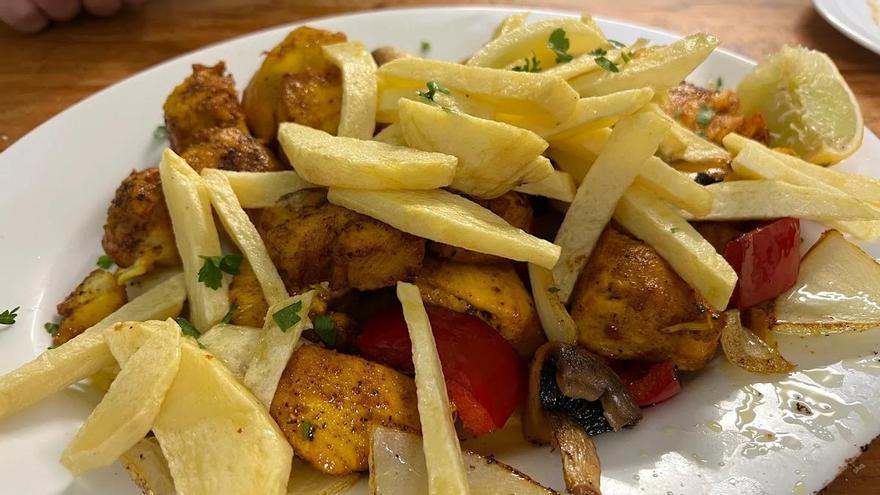
In the north, the experience shifts to the island’s rugged landscape and rich wine culture. La Victoria de Acentejo is famous for its guachinches—traditional, family-run spots that originally served as places for farmers to sell their own wine. Today, they are cultural landmarks where you can enjoy local staples like goat meat and gofio, preserving traditional farming customs against the rise of mass-market hospitality.
Finally, El Sauzal rounds out the trio by blending stunning views with a diverse food scene. Perched above the La Garañona coast, it offers a mix of traditional taverns and more varied dining options, taking full advantage of its unique location.
Together, these three spots show that Tenerife’s culinary identity isn't one-size-fits-all. Instead, it is a mosaic shaped by the environment—from the fresh Atlantic catch in the south to the complex flavors of northern viticulture and dryland farming. This recognition highlights how food is essential to preserving local heritage, showing visitors that Canarian cuisine is as varied as the landscape itself.