
Tenerife's Cueva del Viento: Europe's Longest Volcanic Labyrinth
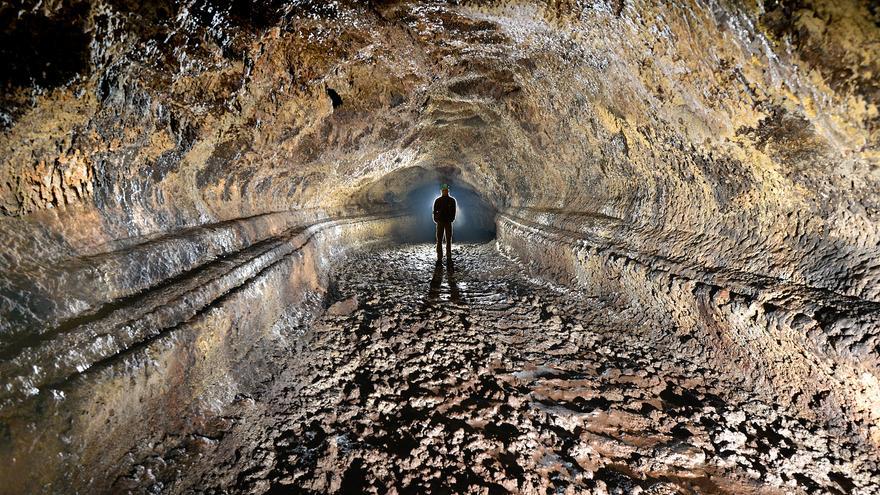
Tenerife's Cueva del Viento, Europe's longest volcanic tube and the world's sixth largest, offers visitors a unique multi-level labyrinth formed by 27,000-year-old lava flows.
Tenerife is famous for its stunning natural beauty – think beaches, mountains, unique plants, cliffs, and volcanoes. It's truly a paradise for visitors. But there's another side to the island, equally beautiful yet more secret, that tells the story of its volcanic past.
One perfect example is the Cueva del Viento (Cave of the Wind) in Icod de los Vinos. It's special not just for its physical features, but also for the incredible history and life it holds inside.
The Cueva del Viento is unique in Europe because of its volcanic tube. At 18.5 kilometers long, it's officially the sixth largest in the world (the others are in Hawaii) and the longest in Europe. Some cave explorers, however, believe it could actually stretch for around 50 kilometers.
With such impressive features, it's no wonder the Cueva del Viento is a must-see. But how did this incredible place come to be? Esther Martín González, a geology expert and scientific director of the cave, explains that it formed about 27,000 years ago. It was created by lava flows from eruptions of the Pico Viejo volcano. She notes that two key ingredients for volcanic tubes are a gentle slope and very fluid lava. Both were present here, creating this significant cave. In fact, she adds, it likely formed from several eruptions happening close together, which created the different levels we see inside the Cueva del Viento system today.
Inside, the cave clearly shows how these eruptions shaped the land. It's a vast, maze-like network of underground tunnels leading to various chambers and passages. Visitors enter through a natural opening called the Sobrado Superior jameo and explore the accessible parts. This area then connects to a restricted conservation zone, home to many unique species. Next, you reach the Sima de la Vieja, a 17-meter-deep vertical shaft. This is unusual because it's the only vertical passage in the cave; all the others are horizontal. From the bottom of this shaft, the Sobrado Inferior extends for about three kilometers north, reaching the El Amparo neighborhood.
Interestingly, the Cueva del Viento looks older than it is. Its dark colors, caused by water seeping in from outside, make it appear ancient, explains Esther Martín. However, she points out that a 27,000-year-old tube is actually "very modern" in geological terms. For comparison, some volcanic tubes in the Canary Islands are over 300,000 years old and still very well preserved. Martín adds that even a million-year-old volcanic tube can often be found in good condition.
All these features make the Cueva del Viento globally significant. But it's also incredibly important geologically because it's a labyrinthine cave with at least three interconnected levels of passages. This complex, multi-level network is "not very common," says the expert. She adds that the Cueva del Viento covers a huge underground area at different heights, making it almost unique worldwide.
If you want to visit, you can book through cuevadelviento.net. You'll explore 200 meters of the 18.5-kilometer system – a small but fascinating glimpse into the unique ecosystem both inside and outside the tube. To ensure a great experience, all visits are in small groups of 15 people, led by an expert guide. In about two and a half hours, you'll get a real sense of what it's like inside a volcanic tube.
The Cueva del Viento is also a protected "Special Area of Conservation" within Europe. Its management plan is currently being updated to reflect the area's current needs and realities.