
Tenerife’s Chimaje Settlement Struggles to Balance Growth and Coastal Identity
The coastal settlement of Chimaje in Tenerife faces a critical challenge as it transitions from a traditional fishing retreat to a permanent residential community lacking essential public infrastructure.
Coastal communities in the Canary Islands are at a crossroads, struggling to balance new residential growth with the preservation of their unique local identity. A recent report highlights the settlement of Chimaje in Güímar, Tenerife, as a prime example of this shift. Once a collection of caves used by fishing families, it has evolved into a permanent residential area that still lacks basic public services.
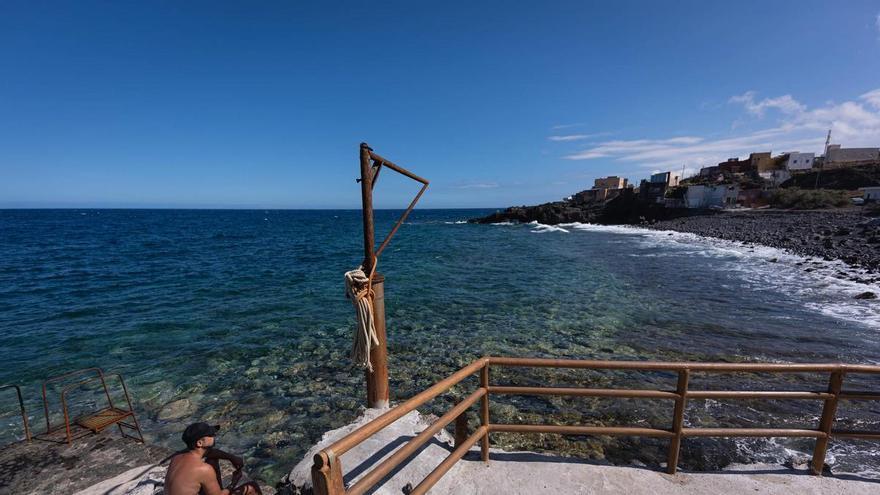
The area’s proximity to the TF-1 highway has significantly changed its demographics. Originally a quiet summer retreat for locals from El Escobonal, Chimaje now hosts about 15 permanent residents in the winter and nearly 40 families during the summer. This growth has caused tension; improvements to public spaces, such as the local natural pool, have attracted more visitors, leading some long-term residents to leave in search of the peace they once enjoyed.
Life in Chimaje is defined by a heavy reliance on private cars. Because the area lacks schools, pharmacies, and sewage systems, residents must travel to nearby towns like Puertito de Güímar or Arafo for daily necessities. Despite these challenges, the community has become more established, with a mix of young families and retirees living in homes that have electricity and water but suffer from poor street lighting and waste management.
Chimaje is part of the Agache region, which has grown organically over time. The landscape is a complex mix of historic cave dwellings and modern two-story houses, all situated in a sensitive coastal zone. As these settlements move from the precarious conditions of the 1970s toward modern integration, they face a difficult question: how can the government provide essential services without destroying the character of these resilient, tight-knit communities?