
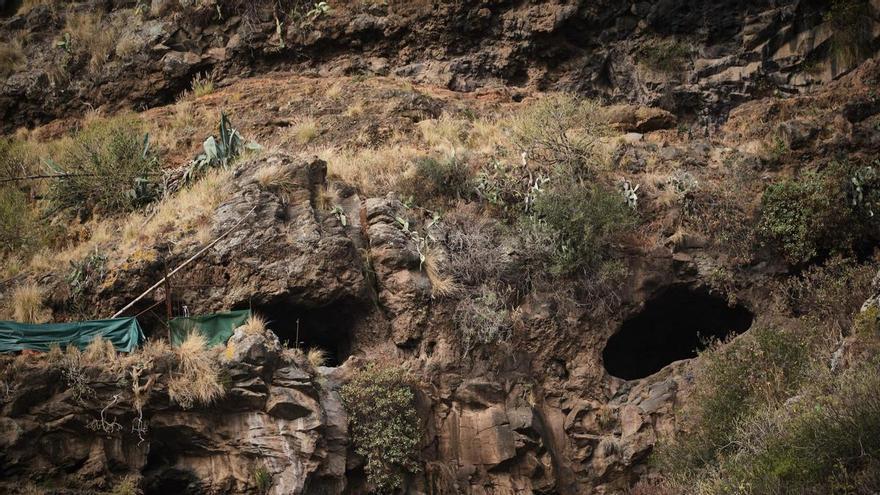
Tenerife’s Cave of Bencomo Threatened by Livestock Infestation
The José de Viera y Clavijo environmental association has urged the Tenerife Island Council to take action after livestock were found damaging the protected Cave of Bencomo archaeological site.
The vulnerability of rural heritage sites has been brought to light once again following a complaint from the José de Viera y Clavijo environmental association to the Tenerife Island Council. The group reports that the Cave of Bencomo—an archaeological site of immense value located between La Orotava and Santa Úrsula—is currently being used as a shelter for goats.
The issue began when the protective fencing around the cave was broken, allowing livestock to enter repeatedly. Experts warn that this is a serious threat to the site. The animals’ movement disturbs the archaeological layers where remains are still waiting to be studied, while the buildup of excrement causes chemical damage to the cave walls and any organic artifacts.
Although the site has held the highest level of legal protection since 1986 due to its historical link to the Menceyato of Taoro and the leader Bencomo, its current condition suggests otherwise. The association notes that archaeological surveys conducted between 2017 and 2018 identified obsidian tools and ancient structures, all of which are now at risk of being destroyed by the livestock.
The association has urged the island’s administration to identify the owners of the animals and take legal action under the Canary Islands Cultural Heritage Law. Beyond simply repairing the fence, they are calling for a permanent surveillance plan to prevent further damage, noting that the site has already required large-scale cleaning of waste in the past.
This incident highlights a broader problem in managing archaeological sites in open areas, where a lack of oversight often leads to historic locations being misused. The association describes the current situation as one of abandonment, arguing that protecting a site requires more than just a legal label; it demands consistent, active management to preserve the island’s aboriginal history.