
Tenerife’s Cabildo Balances Digital Transformation with Traditional Public Service Access
The Cabildo of Tenerife is balancing digital modernization with traditional support services to ensure public administration remains accessible to all citizens, particularly older residents.
Spain’s public administration is at a turning point, balancing the need for digital efficiency with the requirement to keep services accessible to everyone. According to the Cabildo of Tenerife’s 2025 annual report, the institution handled over 170,000 direct interactions last year, using both in-person and telephone support. These figures show that even as new digital tools are introduced, many citizens still rely on traditional, hybrid ways of communicating with the government.
The report notes that island offices managed over 109,800 appointments, serving 91,591 people. Meanwhile, the telephone service remained busy, handling nearly 80,000 calls with a resolution rate of over 97%. These numbers highlight the ongoing challenge for local authorities: automating processes while still providing the personalized service that many, particularly older residents, still need.
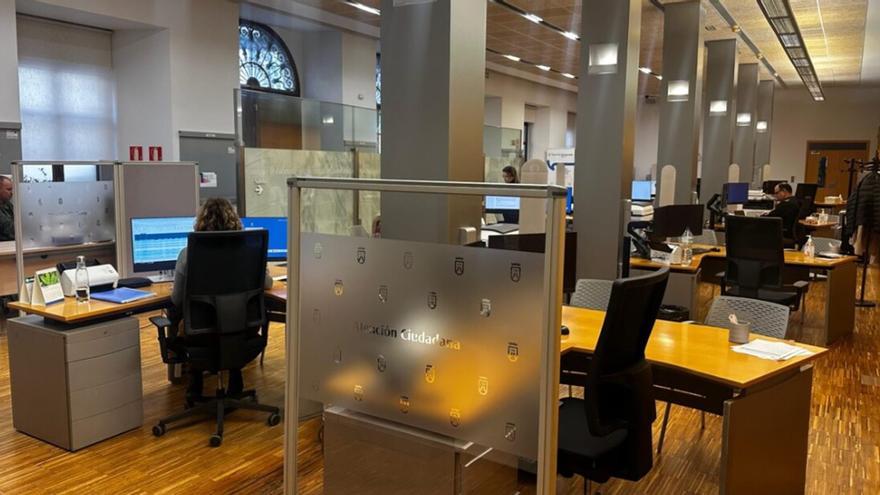
To address this, the Cabildo has focused on two main goals: modernizing infrastructure and offering "assisted digital" solutions. A key initiative is the "Digital Face-to-Face" program, which allows staff to complete electronic paperwork on behalf of users during in-person visits. This helps simplify bureaucracy without leaving behind those who may not be tech-savvy. The institution has also upgraded physical locations, such as the office in Los Cristianos, and maintained specific support protocols for residents over 65 to ensure they are not excluded from public services.
The Cabildo’s internal assessments show high levels of public satisfaction, with ratings of 9.36 for in-person service and 9.81 for telephone support. Backed by quality certifications from AENOR, the institution is now planning its next steps. Future goals include improving data management, refining the appointment system, and providing more technical training for staff—all with the aim of ensuring that digital transformation makes interacting with the government easier, not more difficult.