
Tenerife’s Cabeza de Toro Struggles to Balance Tourism and Rural Heritage
The Tenerife hamlet of Cabeza de Toro is struggling to balance its historical rural identity with the pressures of modern tourism as residents call for more sustainable management of the protected Anaga massif.
Life in the Anaga massif in Tenerife defies the common narrative of "abandoned" rural areas. According to a recent report by El Día, the hamlet of Cabeza de Toro, located in the municipality of La Laguna, is finding a new, albeit precarious, balance between its historical roots and a modern economy driven by tourism.
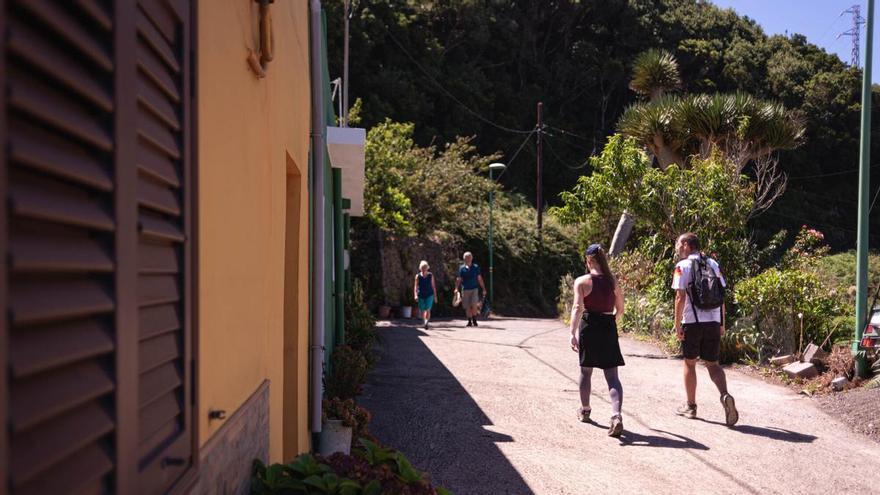
With only about a dozen permanent residents, the settlement has shrunk from its peak decades ago, when roughly twenty people lived there by farming the land. Long-time residents like Victoria still remember the days of subsistence farming and the old royal paths that once linked the village to Chinamada and Las Mercedes. Today, however, the landscape has shifted: the fields that once produced potatoes, corn, and squash are now busy thoroughfares for hikers. Local resident Mónica Déniz notes that this influx of visitors has not been managed with enough care to protect the environment or the residents' quality of life.
Daily life in Cabeza de Toro and the nearby El Cargadero area highlights the difficulties of managing protected natural spaces. While the local school in Las Carboneras is preparing to welcome seven students this year, the village’s economic life centers on a small shop run by Auxi. Operating for fifteen years, the shop continues a long-standing local tradition, serving as a vital hub that provides basic supplies to both the few remaining neighbors and a steady stream of international hikers.
The situation in Cabeza de Toro illustrates the broader challenges of sustainability in rural Canary Islands. Residents rely on external services for everything from basic supplies to healthcare, highlighting the vulnerability of these small communities. Far from being a ghost town, Cabeza de Toro is a living social ecosystem. It requires more support from authorities—not just to preserve its heritage and history, but to create a sustainable tourism strategy that supports the families who have chosen to stay and build their lives in a place where hiking has replaced the plow as the primary way of connecting with the world.