
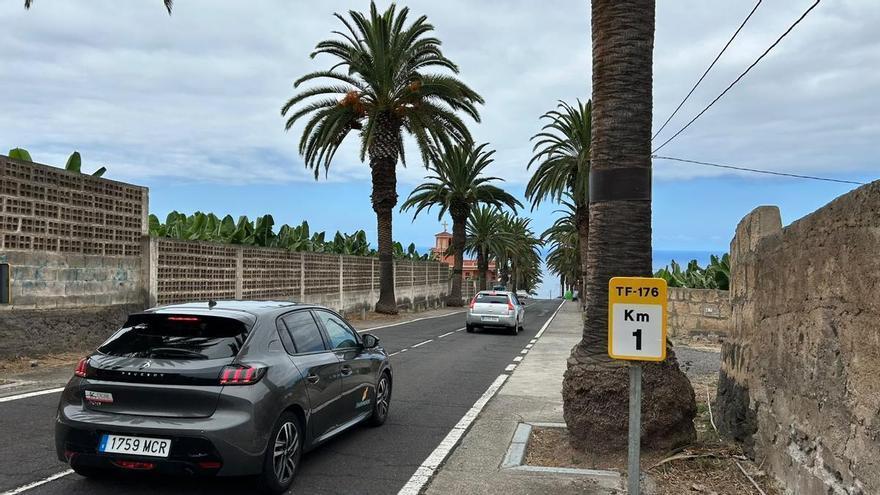
Tenerife Road Project Faces Backlash Over Palm Tree Removal and Pedestrian Safety
Tenerife’s plan to renovate the TF-176 road faces intense local opposition over the proposed removal of 85 protected palm trees and a perceived lack of pedestrian safety measures.
The renovation of the TF-176 road in Tenerife has sparked a debate over how to balance modern infrastructure with the preservation of the island’s natural landscape. The local council (Cabildo) plans to spend over 740,000 euros to upgrade a 1.5-kilometer stretch of the road, but the project has faced strong opposition from residents and community groups in El Rincón.
The primary point of contention is the fate of 85 Phoenix canariensis palm trees lining the road. Officials claim the trees must be removed because their roots are damaging the pavement. While the project includes an 83,000-euro budget to transplant the palms to nurseries, critics argue this is unnecessary. They believe the council has failed to explore technical alternatives that would allow the trees and the road to coexist.
The project has also drawn criticism for its lack of focus on pedestrian safety. Despite the road being a popular route for people heading to the beaches of El Bollullo, Los Patos, and El Ancón, the current plan does not include shoulders or pedestrian paths. Local opposition groups and the El Rincón Coordinator argue that the council is ignoring sustainable mobility plans established in 2022, prioritizing vehicle traffic over the safety of those on foot.
In response to the public outcry, the Cabildo and the La Orotava City Council have set up a committee to review the project. Mayor Francisco Linares stated that a detailed assessment of each palm tree is underway to reduce the environmental impact. Meanwhile, the island’s Roads department noted that the project is currently in a 20-day public consultation period, allowing for formal objections.
Much of the frustration stems from a lack of transparency; locals only learned of the plans through the Official Gazette rather than through direct communication. What began as a simple road repair has now become a broader debate about how to manage development in one of Tenerife’s most environmentally sensitive areas.