
Tenerife Residents Set to Return to Rosme II Building Following Deadly 2026 Fire
Residents of the Rosme II building in Los Realejos are set to return home in late December following a seven-month reconstruction project necessitated by a fatal fire in April 2026.
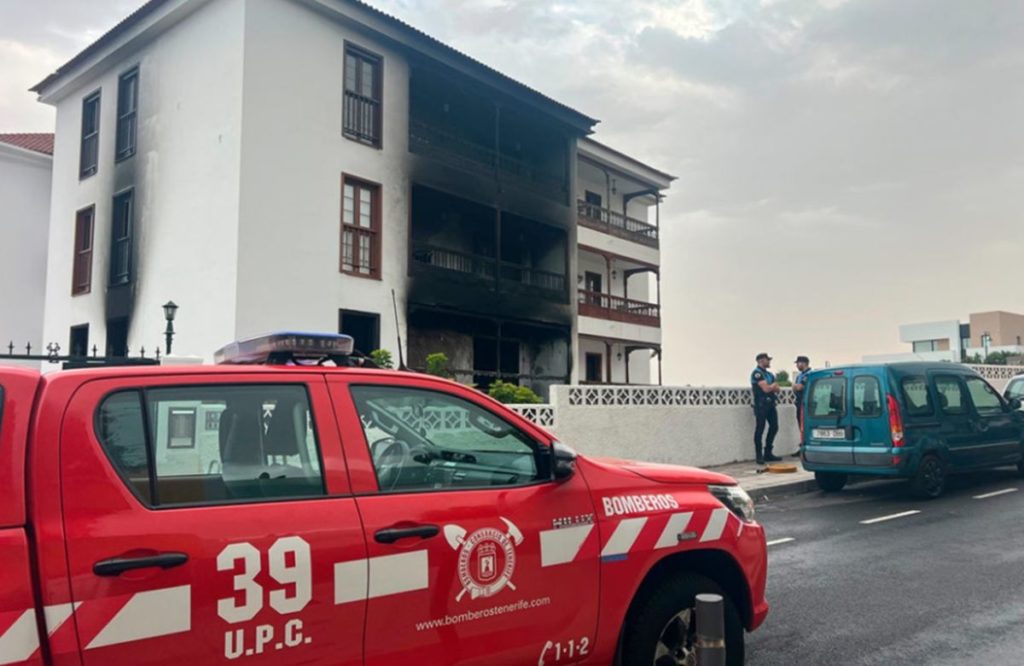
The tragedy that struck the Rosme II building in Los Realejos, Tenerife, on April 18, 2026, is finally nearing its end. The fire, which claimed four lives and forced the evacuation of thirty residents, left the building severely damaged. However, thanks to coordination efforts led by property manager Pedro Hernández, residents are expected to return to their homes in the second half of December once final repairs are complete.
The seven-month reconstruction project has been extensive. The fire, which started accidentally on the first floor, caused significant structural damage. Repairs included a complete overhaul of the electrical and telecommunications systems, as well as the replacement of doors, the elevator, and the facade. Crews also prioritized the stairwell, which had acted as a dangerous smoke conduit during the blaze.
Managing the aftermath of such a disaster proved complex. The process involved coordinating with insurance companies, adjusters, and the Los Realejos City Council, all without placing a direct financial burden on the residents. Mayor Adolfo González noted that while the city council provided ongoing support to the families, the timeline for the repairs remained the responsibility of the property owners and their management team.
The incident has sparked a renewed conversation about residential fire safety. Experts from the Tenerife Fire Consortium warn that when a fire breaks out on lower floors, the "chimney effect" can make stairwells deadly. In such cases, they advise residents to stay inside their homes, seal gaps with damp cloths, and contact emergency services at 112. Authorities believe this guidance could have changed the outcome of the April tragedy.
For the residents of Rosme II, the return home marks the end of a difficult period. Many had been forced to rely on family, find temporary housing, or even return to their home countries while waiting for the building to be made safe again. Those managing the recovery emphasized that clear, unified communication was essential to supporting the victims throughout this vulnerable time.