
Tenerife Residents Frustrated by Poor Conditions of Temporary Road Amid Infrastructure Works
Residents in southern Tenerife are facing significant travel disruptions as a delayed water infrastructure project forces them to rely on an unstable, unpaved makeshift road.
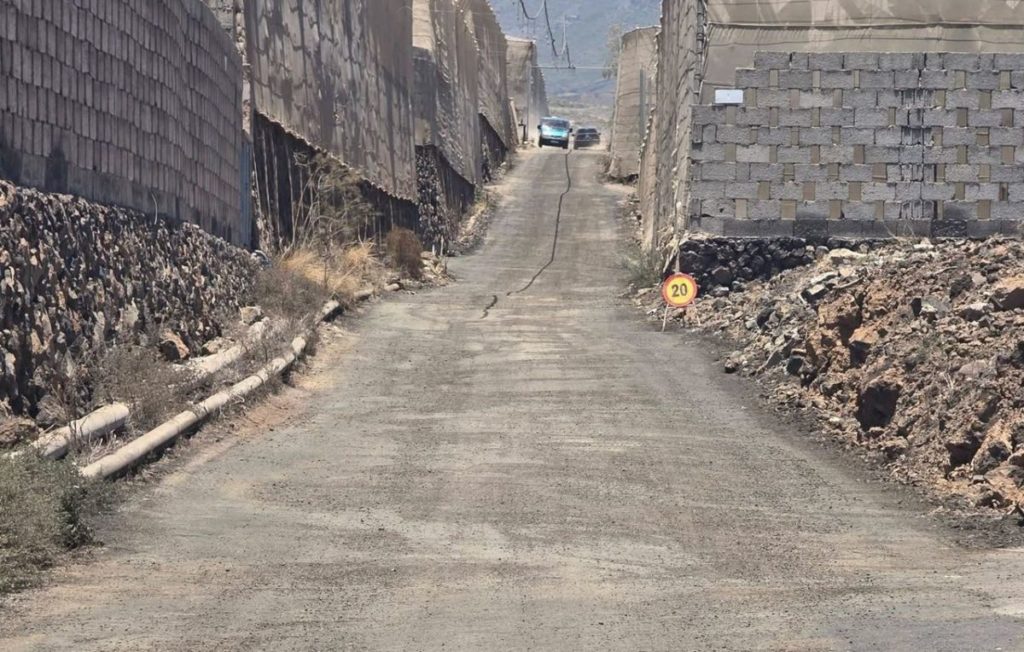
Managing water infrastructure in southern Tenerife has once again sparked a conflict between large-scale public works and the daily needs of local residents. As reported by Diario de Avisos, a temporary road connecting El Coromoto and Las Rosas to the TF-652 has become a major source of frustration. Residents have been forced to use this makeshift route since late May, and legal disputes over who is responsible for the road have left it in poor condition.
The problem stems from the construction of the 4.8-kilometer El Monte-Guargacho collector, which forced the closure of the usual access road, Calle Bejuco. The alternative is a 950-meter dirt track running through agricultural land. Arona Mayor Fátima Lemes explained that because the area is classified as rustic land, paving the road is legally prohibited. This leaves residents, local businesses, and transport companies struggling with an unstable surface that lacks the proper signage needed for emergency vehicles like ambulances and fire trucks.
Aguas de las Cuencas de España (Acuaes), the state agency overseeing the project, says the delays are due to the technical complexity of the work. They explain that the trenches reach depths of over six meters and the narrow workspace requires a slower, more cautious pace to ensure worker safety. Despite complaints about the dust and loose gravel, the agency insists the project is on schedule and expects to finish in four months.
The Arona City Council is acting as a mediator, staying in touch with the contractors to try and minimize the disruption. While Acuaes has attempted to improve the road by leveling the ground, adding crushed stone, and watering it down to control the dust, the situation remains difficult for those living nearby. This ongoing issue highlights the challenge of balancing major infrastructure improvements with the public’s need for reliable, safe access to their homes.