
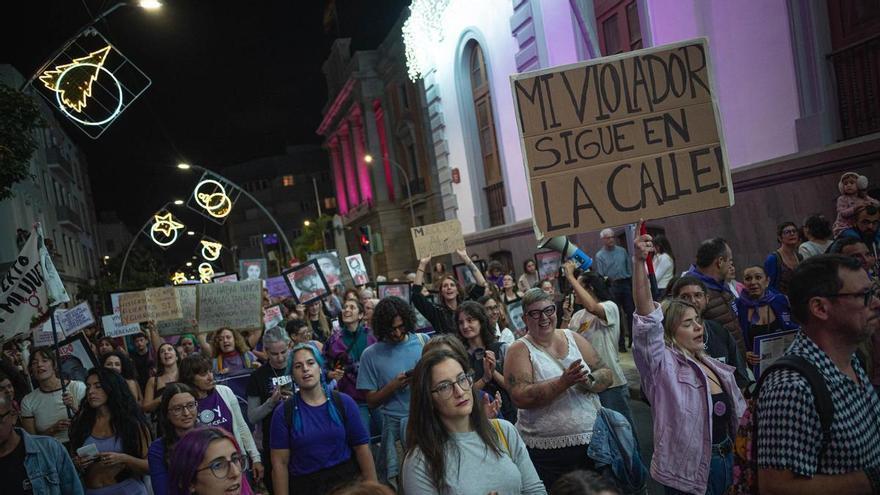
Tenerife Report Highlights Long-Term Disability Crisis Among Domestic Violence Survivors
A new report from Coordicanarias reveals that systemic administrative gaps and a lack of coordination between support services are leaving many gender-based violence survivors in Tenerife without the disability recognition and financial assistance needed to recover from long-term trauma.
The Tenerife Island Council has highlighted a hidden issue: women developing long-term disabilities as a direct result of gender-based violence. A new report by Coordicanarias reveals that a lack of coordination between victim support services and disability agencies is leaving many survivors without the protection they need, as psychological trauma prevents them from regaining their independence.
The study, which surveyed 23 women across ten municipalities in Tenerife, found that 54% of those who received official disability recognition did so due to mental health issues. These conditions—including post-traumatic stress, agoraphobia, chronic depression, and suicidal thoughts—stem from abuse that lasted an average of eleven years. Nearly 90% of the women lived with their abusers, enduring a combination of psychological, physical, sexual, and economic abuse, with 40% also reporting vicarious violence.
A major concern identified in the report is an administrative gap: 40% of the women surveyed do not have an official disability certificate. Because the application process can take over two years, many are blocked from accessing essential benefits and resources. This delay worsens their financial instability, with the average participant—aged 50—living on just 737 euros a month and facing an 80% unemployment rate.
The research stresses that the impact of gender-based violence continues long after a survivor leaves their abuser, causing lasting damage to their career, housing, and emotional well-being. To address this, the report calls for structural reforms, including better coordination between support services and disability assessment agencies, as well as improved housing and employment assistance. It also highlights the need for community-based support networks, which provide survivors with safe spaces to share their experiences and rebuild their lives.