
Tenerife Records Spike in Seismic Activity Near Teide National Park
The National Geographic Institute reported a spike in seismic activity near Tenerife's Teide National Park, though experts confirm there is no immediate risk of a volcanic eruption.
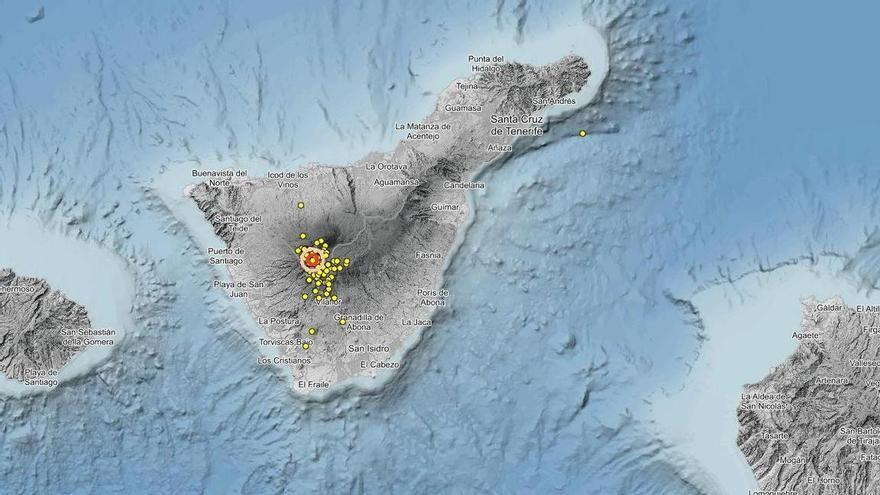
Tenerife saw a spike in volcanic and seismic activity between July 22 and 23, according to a recent report from the National Geographic Institute (IGN). The activity began Tuesday evening with a low-frequency signal, followed by a series of small earthquakes starting at 10:00 p.m. UTC. This is the tenth time such an event has been recorded in the area since February.
Monitoring systems have detected over 550 events, with 95 confirmed through manual analysis. The activity is centered in the western part of Teide National Park, affecting the municipalities of Guía de Isora, Vilaflor de Chasna, and Santiago del Teide. These tremors occurred at depths of 10 to 15 kilometers.
Geologists have identified a mix of earthquake types, including volcano-tectonic and low-frequency events. The presence of these signals suggests fluid movement within the volcanic system. While this is common in active volcanic areas, experts emphasize that it does not signal an imminent eruption. The tremors have remained low in intensity and have not changed in character.
The IGN monitors these earthquake swarms as part of routine safety procedures in the Canary Islands. This constant tracking helps distinguish between normal volcanic background activity and any warning signs that might require a civil protection response. The institute has reassured the public that none of the tremors were felt by residents and that there is no increased risk of an eruption in the short or medium term.