
Tenerife Public Transport Hits Record 110 Million Passengers Following Major Investment
Tenerife’s public transport system has reached a record 110 million passengers in 2025, driven by a €650 million investment and free travel policies that have significantly reduced road congestion and carbon emissions.
Public transport in Tenerife is undergoing a major transformation. According to the Island Council, the system reached a record 110 million passengers in 2025—double the demand seen in 2023. This surge follows the introduction of free travel and a €650 million investment to modernize the network.
The data shows a clear link between this investment and reduced road congestion. The Island Council has covered 53% of the costs to keep public transport free, a policy that has kept 63 million private cars off the road between 2023 and 2025. This funding has also allowed for a fleet upgrade: TITSA now operates 351 new buses. With half of the fleet now hybrid, carbon dioxide emissions have dropped by 7%.
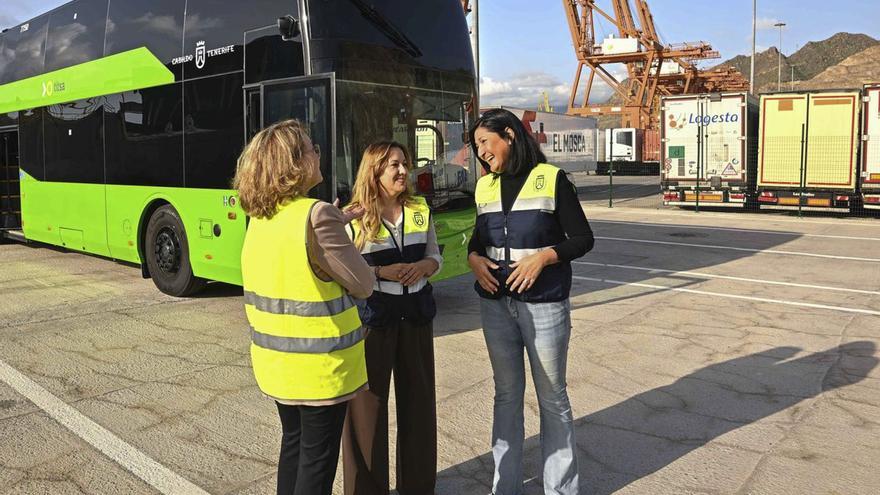
The strategy goes beyond just new vehicles; it also focuses on increasing capacity. Before this summer, 13 new double-decker buses will be added to high-demand routes, such as the 110 line between Santa Cruz and Costa Adeje. These buses hold 85 passengers—up from the standard 59—and feature advanced safety and surveillance technology.
The Council is also tailoring services to specific needs. University shuttles have successfully removed 500 cars a day from the roads leading to the Guajara Campus. Additionally, a new on-demand transport service for rural areas like Arico, Fasnia, and Güímar has received 21,000 requests in under eight months, helping to better connect smaller communities to the main network.
Looking toward 2026, the Council has confirmed that free travel will remain the cornerstone of its transport policy. With 700 more daily trips than in 2022 and 300 new staff members, the island’s transport system is now managing over 40 million kilometers of travel per year, marking a significant milestone for the Canary Islands.