
Tenerife PP Targets 2027 Elections with Focus on Housing and Administrative Reform
The Tenerife People’s Party has launched its 2027 election strategy, prioritizing housing reform, administrative simplification, and organizational growth while criticizing the central government's management.
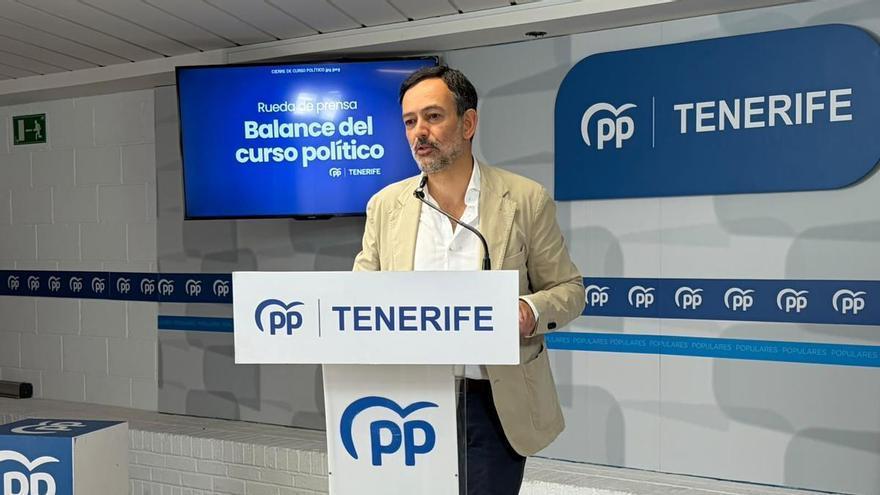
The Tenerife People’s Party (PP) has kicked off the new political season with a clear focus on strengthening its organization ahead of the May 2027 elections. Lope Afonso, the party’s island president, stated that their goal is to lead the major governing bodies across both the archipelago and the island.
Addressing the island’s housing crisis, Afonso acknowledged that current efforts are falling short. While 1,200 housing projects have been completed this term, he admitted this is not enough to meet the tens of thousands of pending requests. To fix this, the PP is calling for closer collaboration with the private sector and is pushing for legislative reforms in the regional Parliament, where they claim the PSOE is blocking their housing proposals.
Afonso also highlighted the party’s internal growth. They have renewed leadership in ten municipalities—including Güímar, Arona, and Puerto de la Cruz—with plans to reach Los Realejos after the summer. This expansion includes opening new offices, welcoming 112 new members, and restructuring their youth wing, New Generations. Afonso confirmed he is ready to run for the Cabildo again, pending committee approval, joining Carmen Pérez, who has already announced her candidacy for mayor of Santa Cruz de Tenerife.
Beyond election planning, the party is prioritizing "administrative simplification." They are drafting a bill to cut red tape, arguing that current regulations discourage investment and create legal uncertainty. They have suggested using artificial intelligence to help streamline these processes. Additionally, the party is advocating for more police presence in the south of the island, including the construction of new facilities.
The PP remains critical of the central government, blaming it for the lack of a national budget and ongoing political instability. In contrast, Afonso defended the PP’s track record, pointing to strong growth in youth employment, self-employment, and tourism as proof of their effective management.