
Tenerife Plans Six New Reservoirs by 2027 to Bolster Water Sustainability
Tenerife plans to construct six new reservoirs by 2027 as part of an innovative strategy to improve water reuse and eliminate wastewater discharge into the sea.
Tenerife is reaching a turning point in how it manages its water. At the recent International Congress on Dams and Waste (BalVert) in Santa Cruz, the Island Council announced plans to build six new reservoirs by 2027. This project is about more than just adding storage; it is a key step toward completing the island's water cycle and stopping wastewater from being discharged into the sea—a difficult task given Tenerife’s rugged, volcanic landscape.
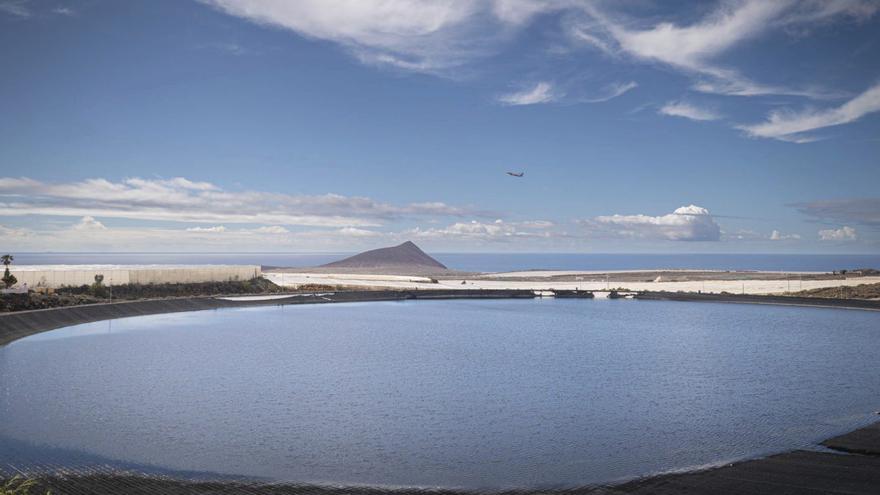
Because the island’s geology makes traditional dam construction nearly impossible, Tenerife has become a leader in using geosynthetic materials to create storage. The island’s storage capacity has reached 5.1 cubic hectometers, thanks largely to the number of treatment plants increasing from five to fourteen over the last decade. This infrastructure allows the island to reuse water effectively, a practice Tenerife has pioneered in Spain since 1993, supported by a 62-kilometer pipeline connecting the metropolitan area to the south.
The congress, hosted by Blanca Pérez, Alejandro Molowny, and Javier Davara, also highlighted environmental safety at landfills. The island is now using advanced waterproofing to protect its groundwater and has switched to horizontal biogas collection at the Tenerife Environmental Complex. This new method is more efficient at recovering energy and reducing odors than the older, vertical systems.
These efforts are part of a broader shift toward a circular economy. The local administration is prioritizing waste reduction and recycling, treating landfills only as a last resort. By combining innovative engineering with sustainable practices, Tenerife is positioning itself as a model for managing resources in challenging environments. With these goals set for 2027, the island aims to secure a sustainable water supply despite its ongoing struggle with natural scarcity.