
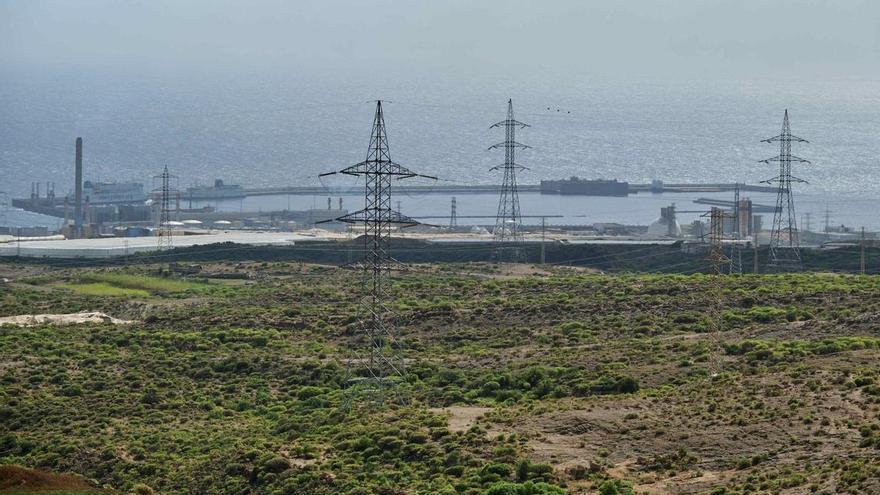
Tenerife Plans Shift to Natural Gas to Stabilize Power Grid and Reduce Emissions
Tenerife is shifting its energy strategy toward natural gas to stabilize its electrical grid and reduce emissions, with plans to expand generation sites and establish the port of Granadilla as a central energy hub.
Tenerife is planning a major shift in its energy strategy, with natural gas set to become the island’s primary power source in the short to medium term. According to El Día, the local Popular Party (PP) argues this is a necessary step to fix the island’s fragile electrical grid, which currently relies on renewable energy for less than 20% of its power.
Supported by regional Energy Minister Mariano H. Zapata, the PP’s proposal aims to increase the number of electricity generation sites from three to seven. While officials admit that no system can be 100% immune to power outages, they believe this expansion will significantly reduce the risk of blackouts. By switching to gas-powered plants, the island expects to cut polluting emissions by 40% compared to the current reliance on fuel oil and diesel. The eventual closure of the Las Caletillas power plant depends on these new facilities coming online, a process expected to take four to six years.
The port of Granadilla is central to this plan. It is envisioned as a major energy hub that could support green hydrogen development and house storage facilities currently located at the Santa Cruz refinery. Lope Afonso, the PP’s island president, described the move as a pragmatic solution to years of political gridlock that have kept the island dependent on dirtier fuels. Additionally, the planned hydroelectric plant in Güímar is being positioned as a key asset for the island’s long-term transition to fully renewable energy.
This approach in Tenerife stands in contrast to recent events on Gran Canaria. Last November, the Las Palmas Port Authority rejected a land-use request from Totisa Energía, effectively ending a project that had been in the works since 2018. The decision followed a negative environmental report that deemed the project’s risks unacceptable, alongside strong opposition from local residents and health authorities. Meanwhile, the regional government has emphasized that it has finally unblocked a tender for standard power generation that had been stalled for over a decade.