
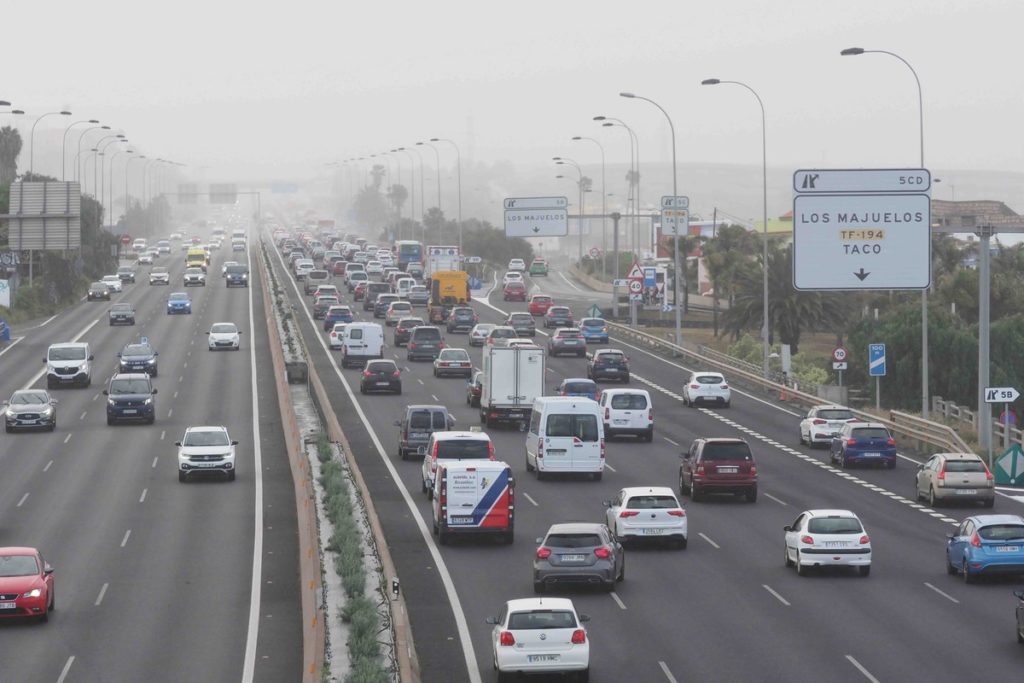
Tenerife Partners With DGT to Tackle Chronic Traffic Congestion
Tenerife has partnered with the Directorate-General for Traffic to implement new congestion-relief measures, including faster accident clearance, enhanced motorway surveillance, and restricted vehicle access to protected natural sites.
Tenerife is set to overhaul its approach to traffic management following a meeting in Madrid between Island Council President Rosa Dávila and Pere Navarro, head of the Directorate-General for Traffic (DGT). The two authorities have formed a partnership to tackle the island’s chronic traffic congestion, which has long burdened both the local economy and residents' quality of life.
The primary goal of this new plan is to clear accident scenes more quickly. By launching a joint protocol in the coming months, officials aim to prevent the major bottlenecks that occur when debris from minor accidents blocks highways for extended periods. Additionally, the TF-5 motorway will see increased surveillance; a 20-kilometer stretch in the north will be monitored from the Island Council’s facilities, using DGT resources to help traffic flow more smoothly on one of the island's most congested roads.
The agreement also prioritizes the protection of environmentally sensitive areas. Authorities plan to regulate access to sites like Anaga and Masca to limit the number of rental cars and large tour buses. This effort, which requires coordination with the Civil Guard and local councils, aims to balance tourism with the need to preserve these protected landscapes.
This partnership is part of a broader strategy that includes building third lanes and promoting public transport. Given Tenerife’s challenging geography and one of the highest vehicle-per-person ratios in Spain, officials view this collaboration with the DGT as essential. The success of these measures will depend on how quickly these new protocols are put into practice and how effectively emergency services can respond on the ground.