
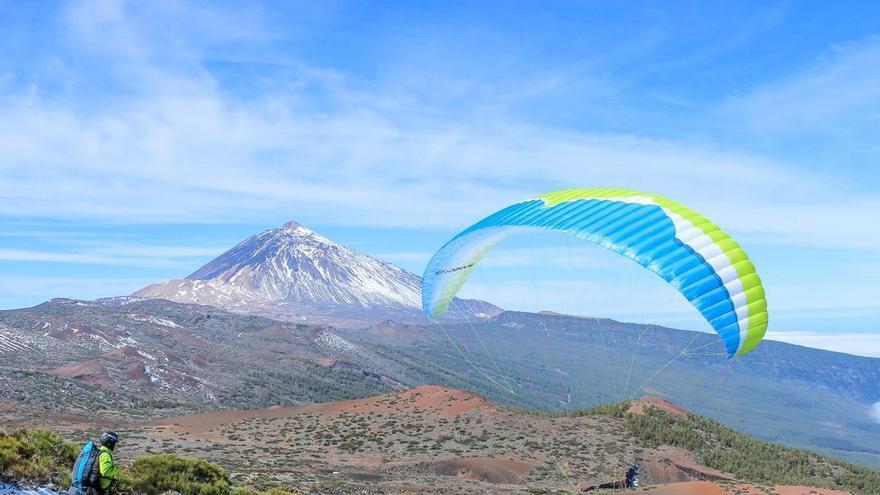
Tenerife Paragliders Protest Sudden Izaña Take-off Ban
Tenerife’s paragliding community is protesting a new ban on take-offs at Teide National Park’s Izaña site, calling for regulated access instead of a total prohibition following a surge in recent accidents.
The recent introduction of the Master Plan for Use and Management (PRUG) for Teide National Park has sparked a crisis for Tenerife’s paragliding community. The new regulations include a sudden ban on take-offs from Izaña, a move that has blindsided pilots and local businesses who claim they were never properly consulted.
In response, the Canary Islands Paragliding Federation and various industry stakeholders have organized a protest this Sunday at 10:00 a.m. under the slogan, "They will not clip our wings." The community argues the ban is excessive, particularly given the years they have spent professionalizing the sport. Many companies have invested heavily in legal compliance, including mandatory insurance, accident coverage, and specialized transport vehicles.
Pilots maintain that paragliding has a minimal environmental impact. They point out that take-off sites occupy only about 20 meters of land and produce no waste or physical damage to the terrain. They contrast this with the PRUG’s more lenient approach toward large-scale sporting events, film crews, and the heavy tourist traffic already present in the park.
Izaña is internationally renowned for its unique vertical drop, which allows pilots to fly from the high mountains down to the coast—a major draw for Tenerife’s tourism. However, the administration cites a sharp rise in safety concerns, noting 11 serious accidents between February 2025 and March 2026, which resulted in three deaths and nine injuries. This is the highest accident rate in the sport's 30-year history on the island.
Rather than seeking conflict, the paragliding community is calling for a working group involving the Cabildo of Tenerife, park management, and athlete representatives. Their goal is to replace the total ban with a regulated, controlled take-off zone. They believe this approach would protect the park’s natural heritage while allowing a sustainable sport to continue safely.