
Tenerife Overhauls Firefighting Strategy to Prioritize Ground Operations
Tenerife has updated its forest fire strategy to prioritize ground-based firefighting while maintaining specialized, mandatory aerial training for its 760-person emergency unit to ensure rapid response in rugged terrain.
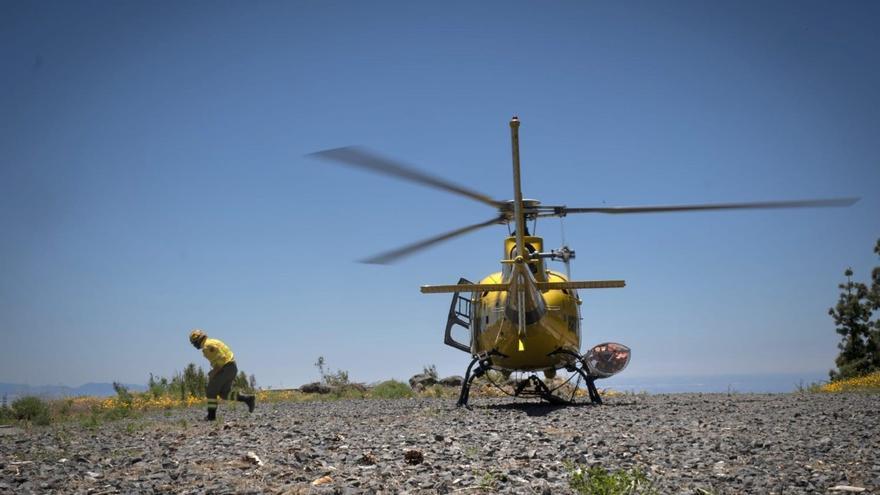
Tenerife has updated its forest fire strategy, shifting the focus toward ground-based firefighting while keeping aerial support as a vital, versatile tool. According to the Tenerife Island Council’s Department of Natural Environment, Sustainability, Security, and Emergencies, specialized brigades undergo rigorous, mandatory monthly training to maintain their helitransport qualifications.
This 180-person unit, which includes the High Mobility Vehicle Brigade (Brivam) and Brifor technicians, is subject to constant evaluation. Their training covers two main areas: air safety protocols and physical maneuvers, including boarding procedures and practice with aircraft both on the ground and in flight. Island Councilor Blanca Pérez notes that this preparation is essential for responding quickly to fires in rugged areas where standard vehicles cannot reach.
The current firefighting operation is the island's most ambitious to date, utilizing 760 personnel, drones, and thermal surveillance. Pedro Martínez, head of the Fire Extinction Service, explains that improvements to the island’s road network have made ground transport more efficient than aerial support in many cases—a shift that sets Tenerife apart from mainland regions that rely more heavily on helicopters.
Even so, helitransport remains a critical strategic asset for remote areas, such as Teide National Park, La Fortaleza, and the highlands of Arico and Granadilla de Abona. While the use of helitransported brigades has declined over the last 20 years, the council maintains that this specialized training is non-negotiable. By combining a strong ground force with aerial capabilities, the island ensures a flexible response, though officials emphasize that the most effective way to manage fires is through a culture of prevention that reduces risks in the mountains.