
Tenerife Opposition Demands Action Over Illegal Dumping Crisis in San Juan de la Rambla
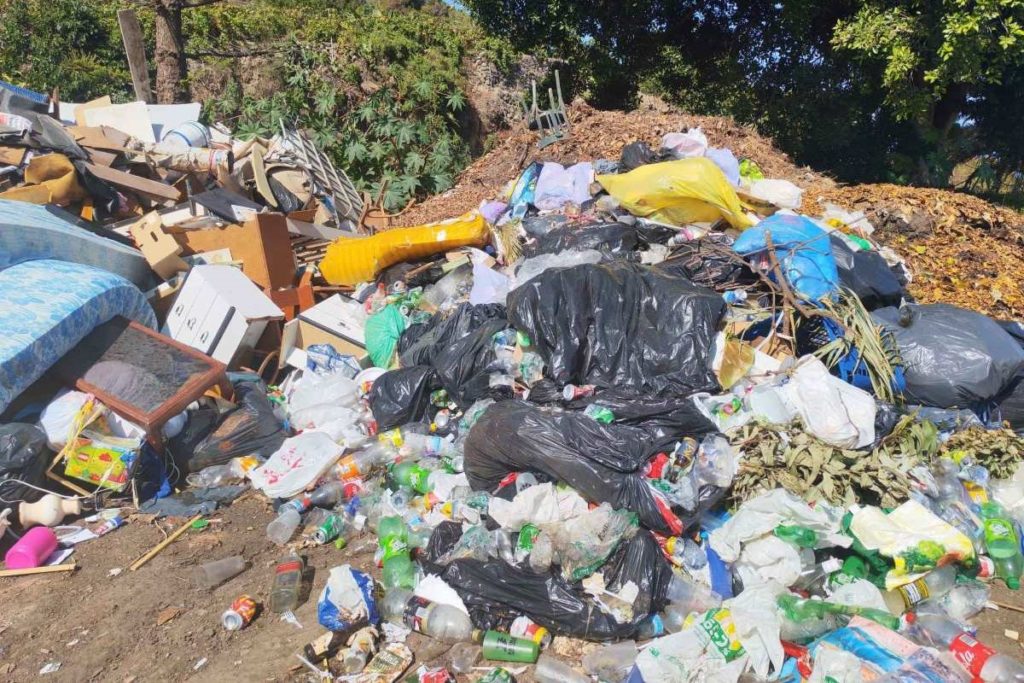
The PSOE in San Juan de la Rambla has filed a formal complaint against the local government over an escalating illegal dumping crisis in the protected Cabeza Guanche area near the Tenerife Environmental Complex.
Illegal dumping in rural areas has once again brought waste management in northern Tenerife under scrutiny. The PSOE municipal group in San Juan de la Rambla has filed a formal complaint regarding the Cabeza Guanche area, which they describe as the center of an ecological crisis. This has led the local opposition to challenge the town’s governing coalition, made up of Coalición Canaria, Sí se puede, and the Partido Popular.
The controversy centers on the damage to a protected natural area, which the Socialists claim is being contaminated by toxic runoff from the waste. Spokesperson Gloria Méndez noted that the amount of trash dumped in the area has surged recently. Former mayor and current councilor Ezequiel Domínguez labeled the situation "administrative negligence," blaming the local government for failing to act.
It is particularly striking that this illegal dump is located near the Tenerife Environmental Complex (PIRS), the island’s main waste treatment facility. The opposition argues that it is unacceptable for such pollution to occur in a municipality that sits just meters away from the necessary infrastructure and technical resources.
Because of the severity of the situation, the PSOE has requested intervention from SEPRONA (the Civil Guard’s nature protection unit) and the Tenerife Island Council’s environmental agents. They are calling for a technical audit to assess the ecological damage and are pushing for authorities to enforce environmental regulations and hold those responsible accountable.
This incident highlights the mounting pressure on local Canary Island administrations to better protect natural areas from poor waste management. There is an urgent call for island and regional authorities to step in, as further delays could lead to permanent damage to the local environment.