
Tenerife Opens Accessible Chestnut Grove Trail for Visitors with Reduced Mobility
Tenerife has opened a new 325-meter accessible trail in La Victoria de Acentejo, allowing people with reduced mobility to independently explore the region's historic chestnut groves.
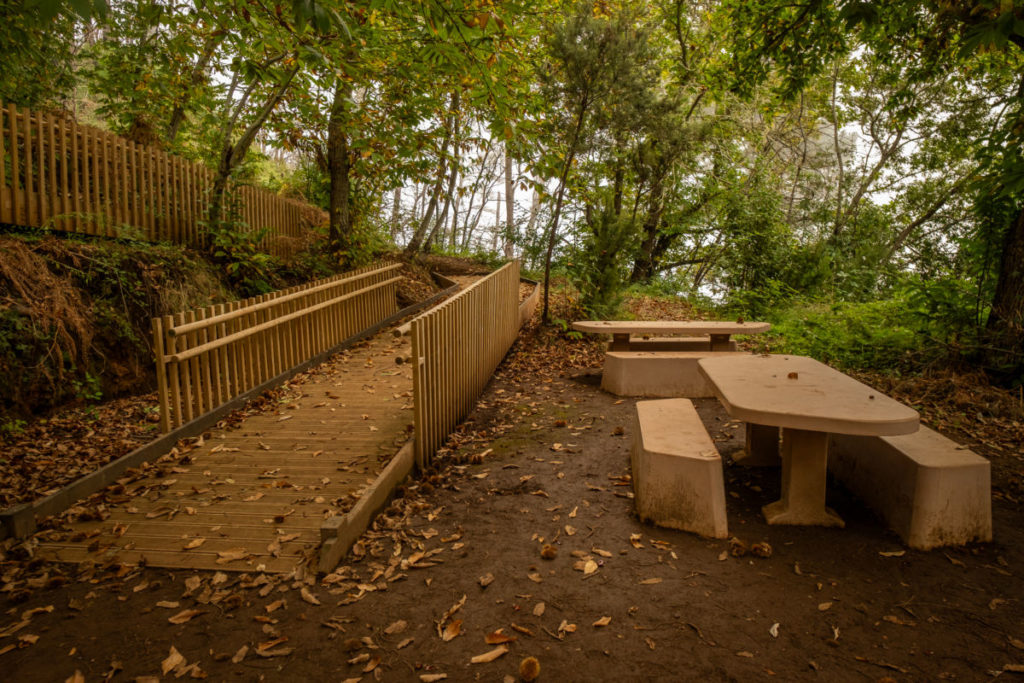
Making forests accessible to everyone is no longer just an ambition in Tenerife; it is becoming a reality. In the Las Rosas area of La Victoria de Acentejo, the local council has opened a new 325-meter trail designed specifically for people with reduced mobility. This path allows visitors to explore the local chestnut groves independently, making the island’s natural heritage more inclusive than ever.
The project was a joint effort between the City Council and the Canary Islands’ Ministry of Ecological Transition. The path is 1.80 meters wide, features non-slip paving, and includes clear signage. It was built in response to a request from a local occupational center, successfully bridging the gap between social welfare and land management. Beyond just providing a place to walk, the trail includes five sensory stations and a demonstration plot that explains how chestnut trees are used for everything from timber to harvesting fruit. This approach creates an inclusive form of ecotourism designed for everyone, including families and the elderly.
This initiative also highlights the importance of the chestnut tree, which is central to the area’s economy and history. With over 160 hectares of chestnut trees, La Victoria de Acentejo remains one of the island’s primary production hubs, continuing a tradition that dates back centuries. This heritage is further preserved by the Chestnut and Pottery House, which works alongside the new trail to protect traditional crafts, such as the construction of the "victoriera" chair—a unique piece made entirely without metal.
By combining sustainability with accessibility, Las Rosas showcases the region's botanical diversity, which includes eight local varieties of chestnut trees. Through the The Soul of the Chestnut guide, the City Council hopes to educate visitors on local biodiversity while establishing the municipality as a leader in managing natural spaces. The project proves that protecting the environment and removing physical barriers are both essential parts of modern rural development.