
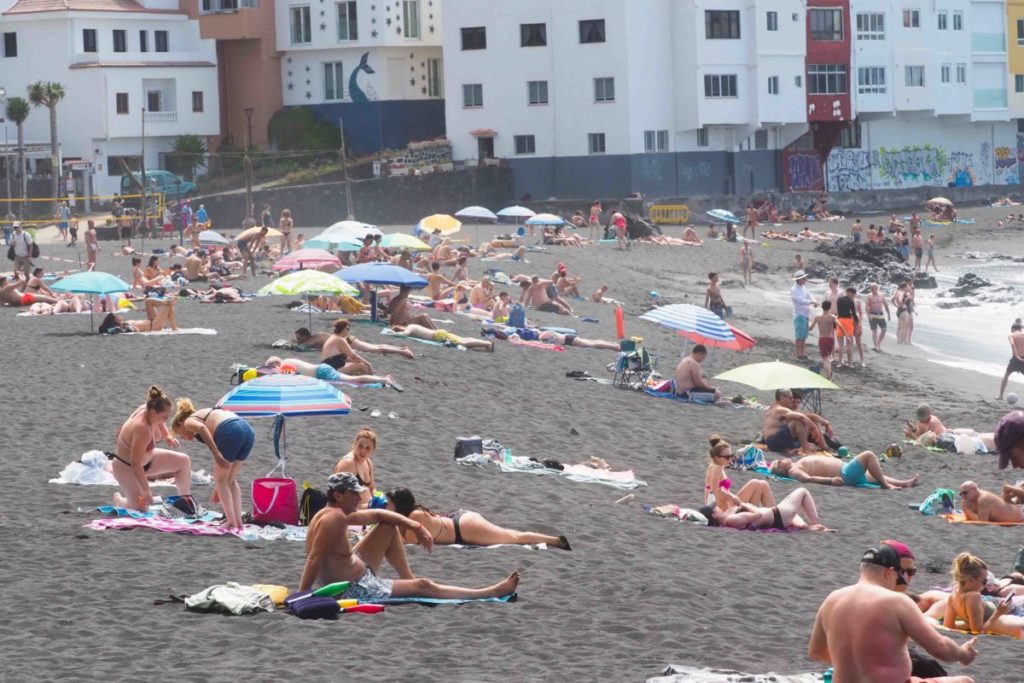
Tenerife Officials Face Scrutiny Over Water Quality and Transparency at Playa Jardín
Puerto de la Cruz officials face mounting scrutiny and calls for accountability after a June contamination incident at Playa Jardín exposed ongoing concerns regarding aging sanitation infrastructure and transparency in public health reporting.
Water quality at Playa Jardín in Puerto de la Cruz is back in the spotlight following a contamination incident on June 22. This event broke a 14-month streak of clean water test results, sparking renewed concerns about how local authorities manage sanitation and communicate with the public at one of Tenerife’s most popular beaches.
To combat a drop in visitor numbers, local officials—including Mayor Leopoldo Afonso and Councilor David Hernández—have publicly swam at the beach to demonstrate their confidence in the water's safety. However, political friction remains high. During a recent meeting with the activist group "Stop Vertidos al Mar" (Stop Sea Discharges), the local government presented its own water samples, which the group noted did not match official Public Health records. Despite this, the activists continue to rely on regional health data, which currently deems the water safe for swimming.
The core of the issue lies in the area's sanitation infrastructure. The City Council recently spent an additional 62,000 euros to connect local sewage lines to the regional collector, aiming to redirect waste from La Vera and Las Dehesas to a treatment plant and prevent runoff during heavy rain. Councilor Hernández maintains that the June incident was an isolated case, pointing to over 200 clean tests conducted over the past year as evidence of effective monitoring.
The opposition, however, is pushing for more accountability. The PSOE has launched a parliamentary inquiry, demanding that the Canary Islands' General Directorate of Public Health explain the communication breakdown. The party claims that, according to the national bathing water database, the City Council was notified of the contamination on June 23, yet failed to close the beach immediately.
This situation underscores the ongoing challenge of managing wastewater in the Canary Islands, where aging infrastructure often struggles to keep pace with the demands of a major tourist destination. With the local government admitting that it lacks a formal schedule for consulting with community groups, questions remain about how future incidents will be handled and how authorities can restore public trust.