
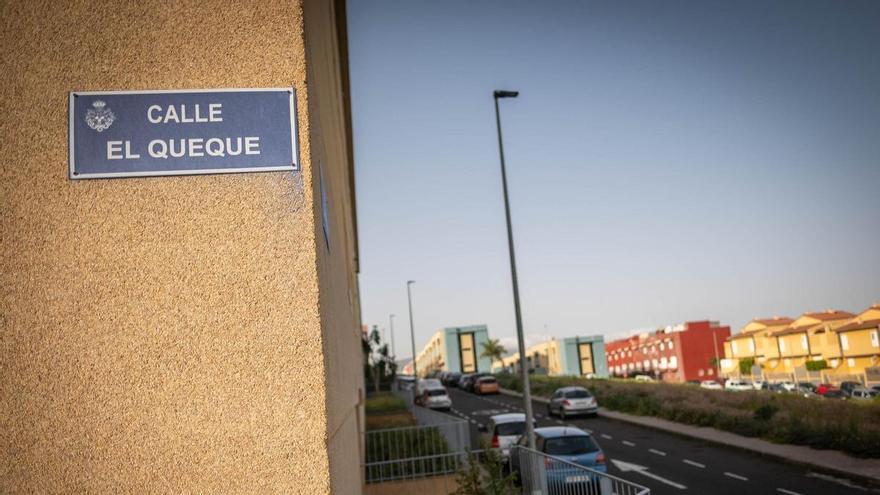
Tenerife Neighborhood Preserves Canarian Dialect Through Street Naming Initiative
The La Gallega neighborhood in Santa Cruz de Tenerife preserves local Canarian dialect and historical linguistic influences through a unique urban planning initiative that features traditional terminology in its street names.
The La Gallega neighborhood in Santa Cruz de Tenerife has become a unique case study in how urban planning can help preserve local language. According to the newspaper El Día, this district features the highest concentration of traditional Canarian terms used in street names across the capital. This initiative began in the late 1990s under the city’s General Services department.
The project was led by Teresa Gómez, then head of the Population and Territorial Demarcation Service, with guidance from researcher Manuel Hernández. Their goal was to officially recognize local terms, many of which stem from historical trade with the United Kingdom. Hernández’s research highlights how the island’s port history led to the phonetic adaptation of English words. For example, the maritime trading term "cambullón" evolved from the English phrase "come buy on," while the local word for asphalt, "piche," is believed to come from the surname of a local figure named Mr. Peach.
These street names serve as more than just labels; they act as a historical record of the area’s growth. What started as a symbolic gesture in 1998 has become increasingly important as the neighborhood’s population has surged from fewer than 1,000 residents at the turn of the century to over 8,000 today. By living among street names that reflect local wildlife and weather—such as "sorimba" or "relente"—newcomers and long-time residents alike engage in a form of daily, intergenerational learning.
Local officials emphasize that this heritage is vital to ensuring that rapid urban development does not erase popular culture. Unlike other areas that may feature only an occasional nod to local dialect, La Gallega’s entire street map functions as a living glossary. This approach gives the neighborhood a distinct personality and ensures that unique vocabulary, which might otherwise be forgotten or limited to rural areas, remains part of everyday life. Ultimately, these street signs do more than provide directions; they serve as a tool for social connection and the preservation of collective memory.