
Tenerife Nears Completion of ‘La Ciudad de la Esperanza’ Elderly Care Complex
Tenerife’s ‘La Ciudad de la Esperanza’ socio-sanitary complex in La Matanza is nearing completion, set to provide 72 residential places for the elderly as part of a strategic effort to decentralize and expand care services across the island.
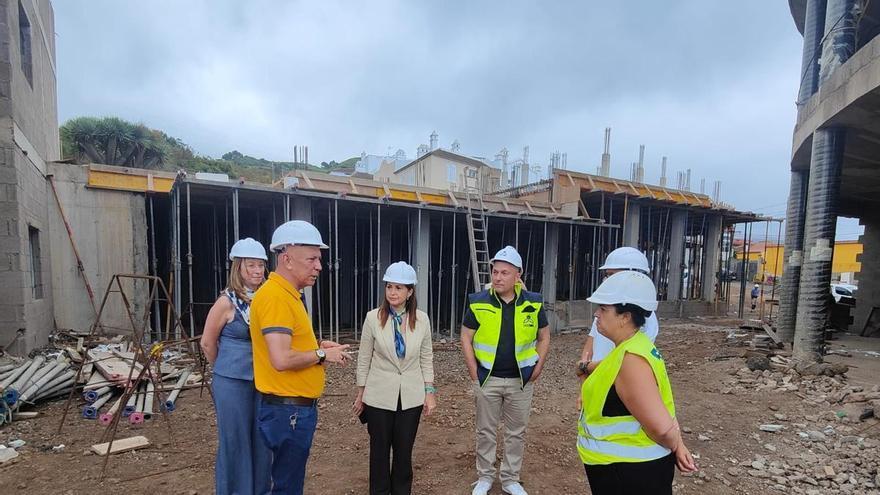
Construction of the ‘La Ciudad de la Esperanza’ socio-sanitary complex in La Matanza is nearing completion, marking a major milestone in Tenerife’s efforts to decentralize elderly care. The Island Council (Cabildo) confirms that the facility is well on its way to becoming a vital hub for care services in the north of the island.
Funded by 2.3 million euros from the European Next Generation program, the project aims to expand the public network of residential care. The center will provide 72 places for the elderly on land provided by the Fundación Canaria Divina Providencia. During a recent site visit, Social Action Councilor Águeda Fumero and Brother Julián Libreros Cabrera of the managing organization confirmed that construction remains on schedule.
This project comes at a time when the Canary Islands’ care system is under significant pressure, with demand for residential spots often outstripping supply. To speed up the delivery of these essential services, the island administration is working in partnership with the third sector.
Beyond simply adding more beds, the project is designed to improve regional equality. By building large-scale facilities outside of major cities, the council hopes to prevent the isolation of elderly residents in smaller towns, ensuring they can access specialized care without having to travel long distances.
This mixed-management model, supported by European recovery funds, is a key part of the Cabildo’s strategy to strengthen the island’s care network. Once finished, ‘La Ciudad de la Esperanza’ will not only increase capacity but also help ensure the long-term sustainability of public services as the archipelago faces the challenges of an aging population.