
Tenerife Municipality Faces Political Backlash Over Controversial Concrete Planters
Opposition parties in El Puertito de Güímar are demanding transparency and safety reports after the local government installed concrete planters that have sparked a political dispute over administrative legality and public access.
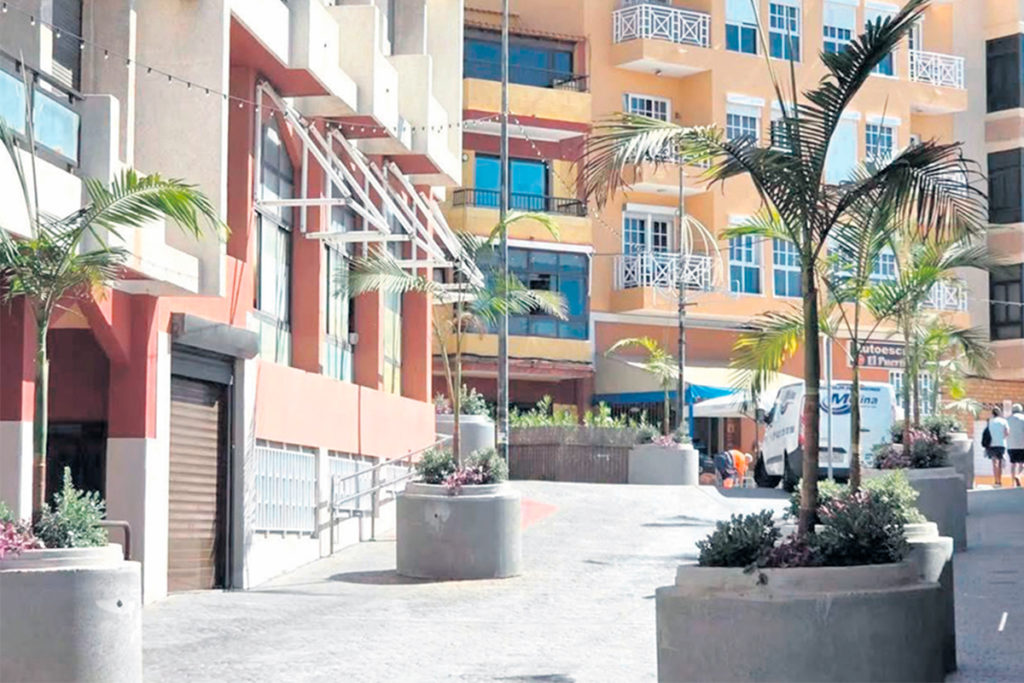
A political crisis has erupted in El Puertito de Güímar over the installation of 28 concrete structures. Originally intended for urban sanitation, these blocks have been repurposed as planters, sparking a heated debate in the Tenerife municipality regarding public safety and administrative transparency.
Opposition parties—Coalición Canaria, the PSOE, and Unidas Podemos—are questioning the legality of how the project was handled and whether the structures are technically appropriate. The Socialist group has formally asked Mayor Carmen Luisa Castro’s administration to disclose the project's cost, confirm it follows public contract laws, and provide safety reports proving that emergency vehicles can still access the area. Meanwhile, Unidas Si Podemos has emphasized that the area is public property, arguing that the local government must justify any changes made to the streets.
Councilman José Miguel Hernández, head of the Department of Works and Gardens, defended the move as a cost-saving measure. He explained that the concrete blocks replace bollards that were frequently damaged, claiming the new planters improve the area's appearance and make better use of the space. He also dismissed safety concerns, insisting that he personally verified that the placement of the blocks leaves enough room for ambulances to pass.
However, the lack of clear budget details and technical documentation has caused concern. While the department has not provided exact figures, officials suggested the cost was low enough to avoid the need for a formal public tender. This controversy comes at a sensitive time for the department, which has been managed by the mayor’s office and the local councilman since the previous head resigned four months ago. The situation highlights the ongoing tension between finding budget-friendly maintenance solutions and the public’s demand for safety and transparency.