
Tenerife Motor Park Environmental Approval Expires, Court Rules
A court in Tenerife has invalidated the environmental approval for the International Motor Park project, siding with environmental group ATAN and citing the expiration of the original environmental impact statement and non-compliance with protected species laws.
A court in Santa Cruz de Tenerife has ruled that the environmental approval for the Tenerife International Motor Park project has expired. The Administrative Litigation Court No. 4 sided with the environmental group ATAN, overturning a decision made by the Cabildo (island council) on January 27, 2023.
This ruling effectively cancels the Cabildo's approval for the modified speed track project, which was one part of the larger development plan.
ATAN stated that this is the fourth and final court decision concerning the project's approval process. Three rulings have favored ATAN, while one has favored the Cabildo. ATAN believes this latest decision confirms their long-held argument: the original environmental impact statement from 2011 is no longer valid because construction had not started within the twelve-year timeframe set by environmental laws.
The court also agreed with ATAN that the approved project did not comply with the Canary Islands Law on Protected Species, an issue that had been raised earlier.
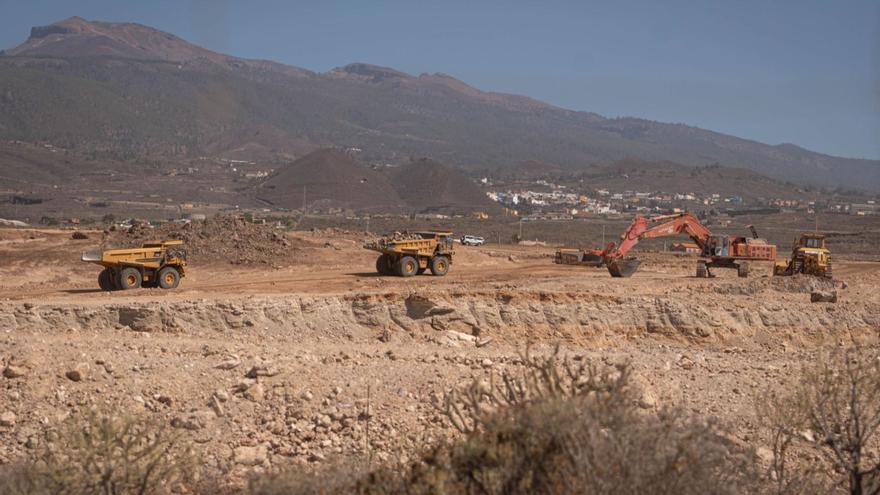
ATAN has accused the Cabildo of pushing ahead with construction rapidly, despite legal challenges and concerns about the project's significant negative effects on the environment and heritage. The group claims the council has tried to make the project a reality through actions rather than proper assessment, without considering the consequences of a final cancellation.
ATAN also pointed out that Cabildo officials had warned that the environmental approval had expired before the final decision was made, but their concerns were ignored by political leaders and the evaluation committee.
This new court ruling casts doubt on the future of the Tenerife International Motor Park. It strengthens the legal opposition to the project and could lead to further administrative and environmental challenges. Meanwhile, discussions on the island about the project's necessity and impact are intensifying, with growing concerns about land use, biodiversity, and the type of public infrastructure being developed.