
Tenerife Mother Faces Eviction Amid Spain’s Escalating Housing Crisis
A 30-year-old mother and domestic violence survivor in Santa Cruz de Tenerife faces imminent eviction as Spain's housing crisis and a lack of affordable public alternatives leave her family without a stable home.
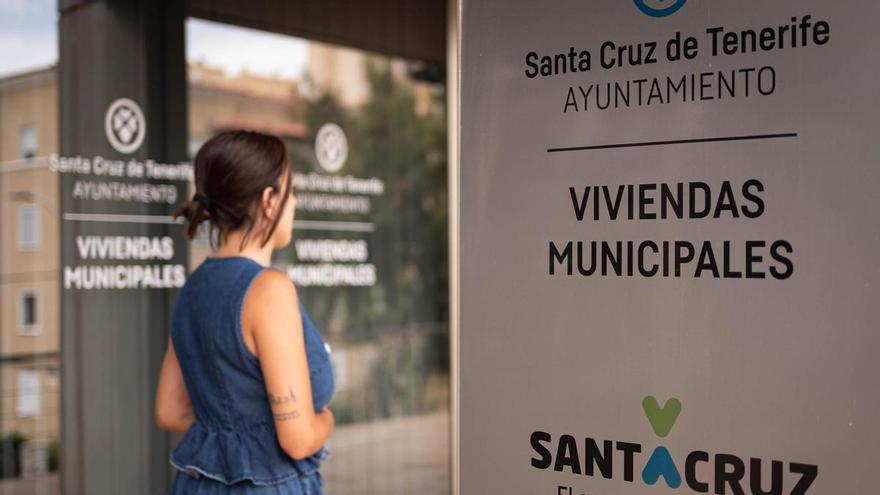
Spain’s ongoing housing crisis is once again exposing the struggles of the country’s most vulnerable, as recently reported by El Día. The case of a 30-year-old mother in Santa Cruz de Tenerife—a survivor of gender-based violence—highlights how the current system fails to provide real housing alternatives for those facing eviction when their rental contracts expire.
The woman, who faces an eviction order on September 7, is a victim of a severe shortage of public housing. Despite applying for subsidized housing nearly a decade ago and seeking help from organizations like Cáritas, Visocan, and Provivienda, she has reached a dead end. Authorities have suggested she move into a hostel or boarding house, but she argues this is not a viable solution. She believes such a move would be traumatic for her nine-year-old child, disrupt his emotional stability, and force her to lose her personal belongings.
The crisis began when her landlord decided to nearly double the rent, raising it from 450 to 850 euros per month. This is unaffordable for a family that, despite having a perfect payment record over the last five years, lacks a support network to fall back on. The situation is made worse by the poor condition of her current home, which suffers from dampness and poor ventilation, and the fact that her abuser lives nearby. Even with a restraining order in place, the threat of eviction leaves her feeling deeply unsafe.
This case reveals a clear gap between administrative rules and the reality of life on the ground. While current laws allow for temporary extensions in cases of proven vulnerability, these are only short-term fixes that fail to address the core issues: a lack of affordable housing and overwhelmed social services. The woman reports a lack of effective institutional support, noting that despite her status as a survivor of domestic violence and her unemployment, local authorities have failed to provide a stable place to live.
With a court hearing scheduled for this Monday, the family is at a breaking point. The uncertainty of the future, combined with the high deposits and guarantees required to rent privately, has taken a heavy toll on the mother’s mental health. Her story reflects a growing trend in Spanish cities: families who are capable of paying moderate rent are being pushed out of the market by rising prices that bear no relation to the quality of the housing or the reality of their financial lives.