
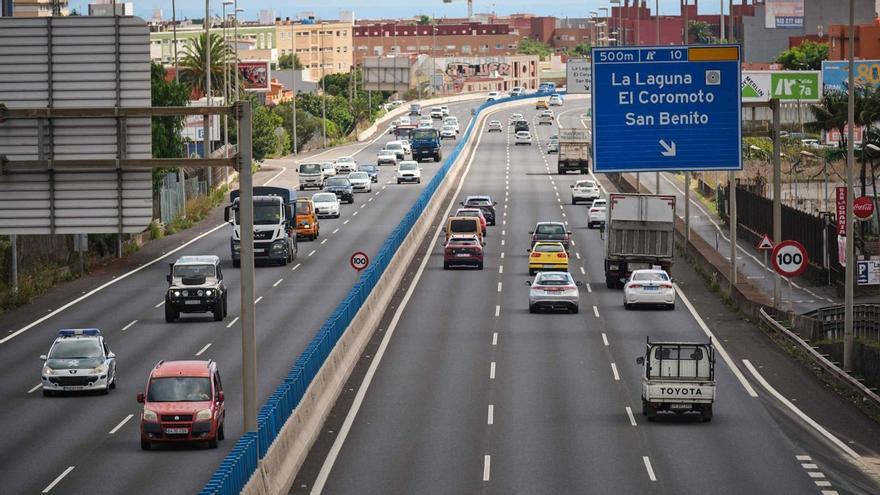
Tenerife Mobility Plan Cuts Commute Times, Adds 120,000 Public Transit Users
Tenerife's Island Mobility Plan is showing positive results, with reduced commute times on major highways and increased public transport usage, according to Island Council President Rosa Dávila.
Rosa Dávila, the President of the Tenerife Island Council, is pleased to announce that the Island Mobility Plan is working. It's making travel faster, especially on the island's two busiest highways.
Speaking at a recent meeting, Dávila reviewed the first two years of her leadership. She emphasized that the changes they've made are starting to make a real difference.
For example, staggering class start times at the University of La Laguna (ULL) has cut the daily commute for students coming from the north by 15%.
Data from the GPS systems on Titsa buses shows that spreading out schedules, adding shuttle buses, and improving connections have all helped ease traffic on the island's main roads.
On the TF-5, one of the most congested roads, trips from Puerto de la Cruz to the main city area are now 10% faster at 8:00 a.m. and 18% faster at 9:00 a.m.
On the TF-1, improvements to the San Isidro roundabout and fixing connection issues have reduced travel times by an average of 15%, and sometimes by as much as 30%.
Dávila also highlighted improvements to public transport since 2023. Over 120,000 new users have joined the system in the last two years, thanks to free transport and better service.
Plus, over two million people now have active Ten+ cards. The Titsa bus fleet has grown by 247 new buses, and they've hired 360 new workers to keep up with demand, including 300 drivers.
Dávila explained that the Island Council is currently working on upgrading a dozen troublesome roundabouts and improving 600 kilometers of roads to make them safer and easier to travel on.
Looking ahead, the Tenerife Mobility Plan 2035 includes plans for railway systems as a key part of the future. Dávila said the Southern Train project is the most advanced and shows their commitment to eco-friendly travel and reducing pollution.