
Tenerife Makes Operation Prometheus Permanent to Bolster Forest Fire Surveillance
Tenerife has established Operation Prometheus as a permanent, long-term surveillance initiative, integrating military personnel and drone technology to enhance forest fire prevention and rapid response across the island.
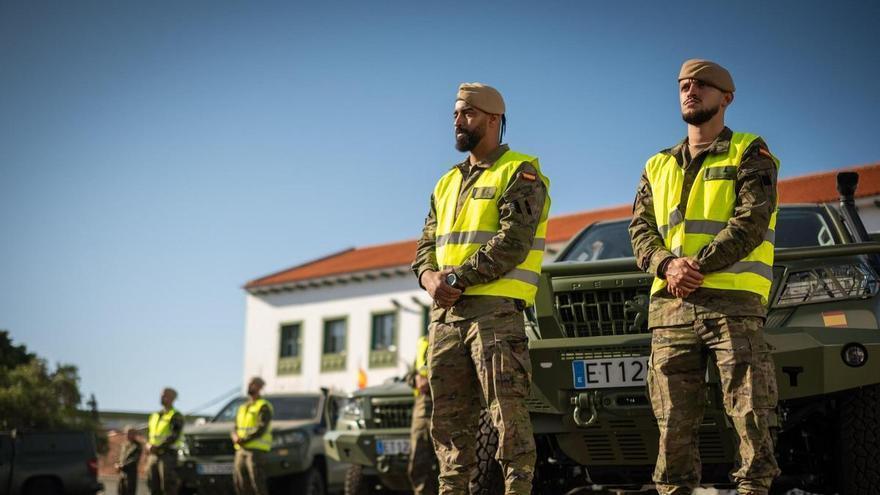
Operation Prometheus has become a permanent fixture in Tenerife, marking a major shift in how the island manages forest fire risks. The collaboration between the Island Council and the Ministry of Defense has now evolved into a long-term surveillance structure, with this year’s deployment featuring more personnel and, for the first time, drones to help spot fires early.
Running from July 1 to September 30, the operation involves 2,500 people, including military personnel, Brifor firefighting teams, local firefighters, and security forces. Based at the La Cuesta barracks, the team will run ten ground patrols daily—split between day and night shifts—with a direct link to the Island Operational Coordination Center (Cecopin). Military leaders emphasize that this setup is designed for rapid intervention, allowing teams to stop fires while they are still small and manageable.
This expanded surveillance, which now covers the southern part of the island, is a direct response to the devastating August 2023 fire that burned over 12,000 hectares and displaced thousands. Following that disaster, the island has steadily increased its prevention resources. Given that extreme heat is now occurring outside of traditional summer months, Island Council President Rosa Dávila is currently negotiating with the central government to potentially extend the operation through October.
The evolution of Operation Prometheus represents a significant change in strategy: the military is no longer just an emergency backup, but an active partner in fire prevention. Over these 92 days of intensive patrolling, the goal is not only to fight fires but to deter human negligence or intentional acts. Furthermore, the addition of drones allows for better monitoring of the island’s rugged, hard-to-reach terrain, where ground crews have historically struggled to maintain control.