
Tenerife Lawyer Highlights Healthcare Gaps After Stroke Recovery Journey
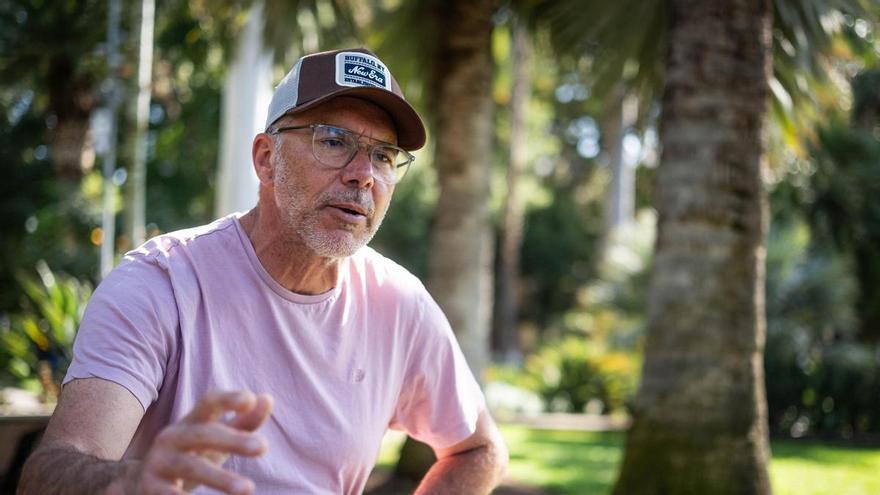
Tenerife lawyer Miguel Ángel Romero is advocating for improved public neuropsychological support after turning to writing as a therapeutic tool following a life-altering stroke.
As reported by the newspaper El Día, Miguel Ángel Romero, a lawyer living in Tenerife, has turned the life-altering effects of a stroke into a creative journey. His story highlights a significant gap in the public healthcare system: the lack of comprehensive neuropsychological support, a vital service for cognitive and behavioral recovery that is often only accessible through private care.
Romero’s life changed in 2019 following a fall at his home in San Cristóbal de La Laguna. Two weeks later, he suffered a stroke. At 49 years old and with no prior health issues, his case serves as a stark reminder of how unpredictable such medical emergencies can be. He survived only because his wife, a doctor, acted quickly to secure immediate medical intervention.
The stroke, which caused damage to his right lobe, left Romero with hemiparesis, chronic fatigue, and emotional instability. These challenges forced him into early retirement, ending his legal career. To aid his recovery, Romero turned to writing as a form of cognitive therapy. Because he lost fine motor skills in his left hand, he used voice-dictation technology to write his book, El viaje de Pablo (Pablo’s Journey), which blends autobiography with science fiction.
Beyond his personal success, Romero is speaking out about the inequality in brain injury care. Because public healthcare often fails to cover long-term neuropsychological therapy, families are forced to pay for expensive private treatment.
Currently working on a second book about the conflict in Western Sahara, Romero hopes his experience will inspire others facing sudden disability. He remains a strong advocate for cognitive stimulation, viewing it as an essential tool for adapting to life after a brain injury.