
Tenerife Launches Strategic Plan to Modernize and Preserve Traditional Crafts
The Cabildo de Tenerife has launched a 2026–2030 strategic plan to modernize the island's craft sector by integrating professional training, digitalization, and new market access to ensure the economic sustainability of traditional trades.
The future of Canarian cultural heritage depends as much on economic success as it does on preservation. The Cabildo de Tenerife has launched a strategic plan for 2026–2030 to modernize the island’s craft sector, aiming to turn traditional workshops into competitive, sustainable businesses.
Efraín Medina, head of the Employment department, identified the lack of new artisans as the greatest threat to these trades. To address this, the plan introduces a "Master-Apprentice" program, designed to pass vital technical skills from veteran masters to the next generation. This focus on professional training is paired with a push for digitalization and less red tape, including a new "single-window" service and a Craft Observatory to help local artisans reach international markets.
The strategy also shifts how these products are sold. By introducing consumer vouchers, specialized tourist routes, and digital sales platforms, the Cabildo hopes to promote the "Canarian Craft" brand far beyond the islands. The goal is to move beyond viewing crafts merely as cultural expressions and instead establish them as a key driver for local economic growth.
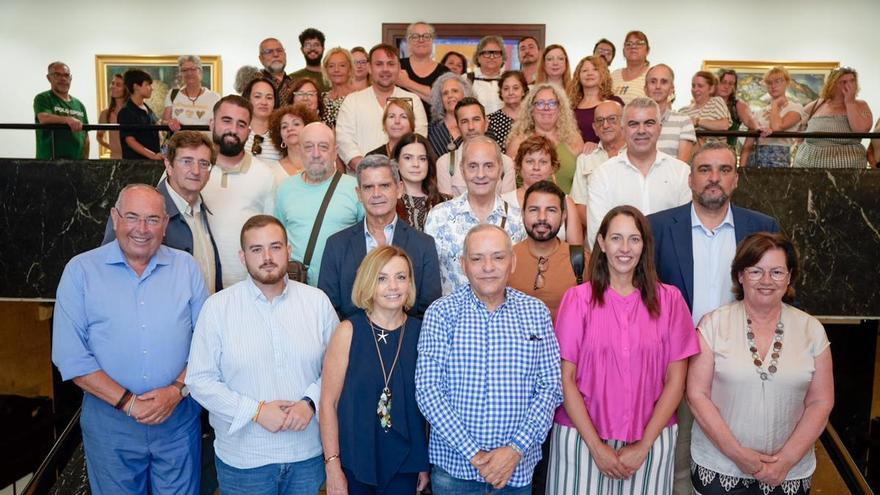
These efforts coincide with the recent awarding of twelve new official artisan accreditations at the Ibero-American Museum of Crafts of Tenerife. Following a rigorous evaluation of sixty applicants, these new artisans were certified in fields ranging from boat carpentry and traditional weaving to jewelry, ceramics, and doll making. These accreditations serve as a mark of quality, ensuring consumers that products meet the high standards of the "Crafts of Tenerife" brand.
Ultimately, the success of this plan rests on the ability to help workshops embrace innovation while keeping their traditional methods alive. By supporting talent and providing financial aid to endangered techniques, Tenerife aims to modernize a sector that serves as the living memory of the island.