
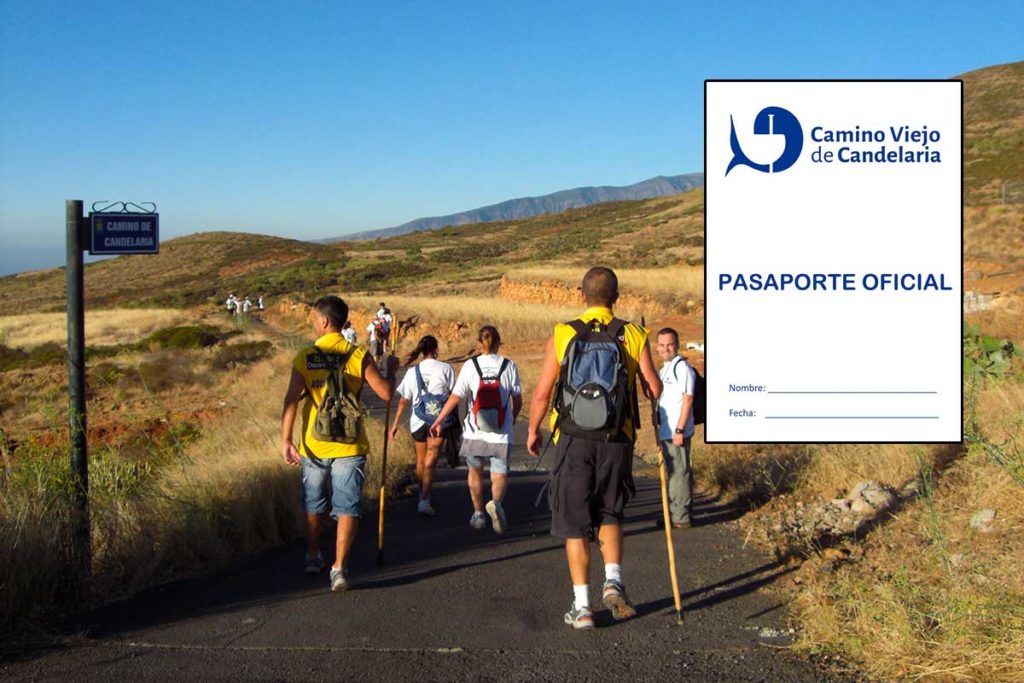
Tenerife Launches Pilgrim’s Passport to Revive Historic Candelaria Route
Tenerife has introduced a new pilgrim’s passport and digital guide for the historic "Camino Viejo" route, which has become the primary path for thousands of devotees traveling to Candelaria this August following the closure of forest trails.
The annual pilgrimage to Candelaria in Tenerife is reaching new heights this August. As the local press reports, the "Camino Viejo" (Old Path) has become the primary route for devotees, especially now that the Island Council has closed forest trails due to a high risk of wildfires. This has returned the historic GR-131 route to its traditional role as the main path to the coast.
To honor this route—which dates back five centuries to ancient aboriginal paths—officials have introduced an accreditation system. The Tenerife Mountaineering Federation and the Montañeros del Nivaria association have launched a free "pilgrim’s passport" to help organize and celebrate the 21-kilometer journey. Pilgrims can pick up this passport at key locations, including the church of Santo Domingo de Guzmán in La Laguna, the parish of Llano del Moro, and the hermitage of Nuestra Señora del Rosario in Machado.
The project, led by parish priest Aníbal Hernández and retired teachers Ángel Adán and Beatriz García, offers more than just a record of the journey. It includes QR codes that provide an immersive 360-degree digital tour of the cultural heritage sites in the Machado section, developed by University of La Laguna professor José Luis Saorín.
The route spans the municipalities of La Laguna, Santa Cruz, El Rosario, and Candelaria, featuring six official stamping stations: Santo Domingo de Guzmán, Exaltación de la Santa Cruz, Nuestra Señora del Rosario, San José in Barranco Hondo, Santísima Trinidad in Igueste, and the Basilica of Candelaria. Beyond its religious significance, the path is a protected heritage site, preserving original cobblestones and traditional architecture. This initiative, which revives a proposal from a decade ago, now serves as the primary way to manage the thousands of walkers who keep this deeply rooted island tradition alive every August.