
Tenerife Launches Landmark Genetic Study to Save Canary Dragon Tree
Prompted by a recent collapse, the Tenerife government has initiated the first comprehensive genetic study of the endangered Canary dragon tree to develop a conservation plan and restore its native habitats.
The Canary dragon tree, an iconic species, is facing a delicate future. This was recently highlighted when a huge dragon tree collapsed in Los Realejos. This event has led to the first in-depth study of the plant's unique genetic makeup.
According to the Tenerife government (Cabildo de Tenerife), the study is being led by its Organic Biodiversity Unit and biologist José Alberto Delgado. Its main goal is to create a plan to protect the dragon tree, which the International Union for Conservation of Nature (IUCN) lists as endangered.
The project, costing 18,800 euros and supported by the Viera y Clavijo Botanical Garden in Gran Canaria, has already started collecting over 200 samples. These samples come mostly from Tenerife, but also from La Gomera, La Palma, and El Hierro, covering all the wild dragon tree populations across the islands. A team of about twelve researchers will analyze this genetic information to understand how unique the Tenerife dragon trees are and how they relate to those on other islands.
Beyond DNA analysis, the project also includes a practical conservation effort: rebuilding a "draconal," or dragon tree forest, at Hacienda de Boquín in Icod de los Vinos. The idea is to bring back these historical ecosystems by planting cuttings from genetically unique trees identified in the research, recreating the landscapes that once filled the Canary Islands' ravines and cliffs.
At the request of the Tenerife government, the study will also look at dragon trees that aren't growing wild, which are now the most common. These are the trees planted in parks and gardens for decoration. They are popular because they are easy to grow, adapt well, and look beautiful. The study aims to find out where these ornamental dragon trees originally came from.
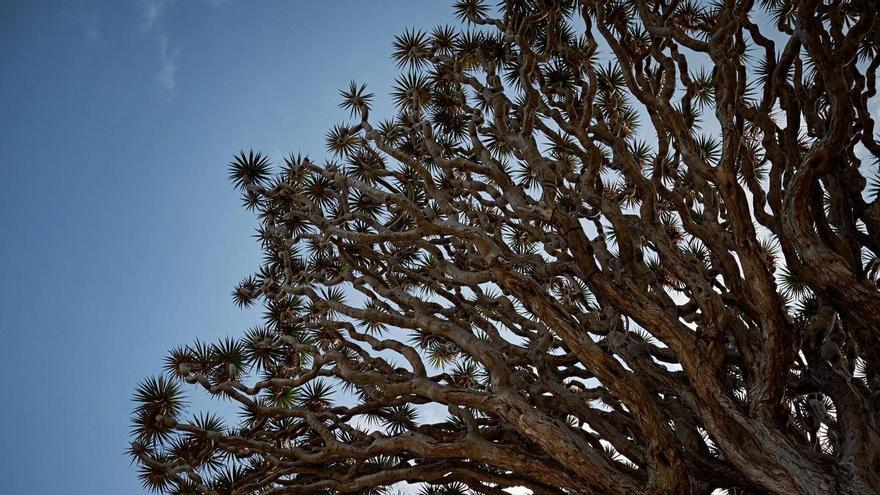
Dragon trees are a significant part of the islands' culture and stand out in the landscape. These tall, tree-like plants can grow over fifteen meters high (even though they aren't technically trees). However, we still don't know much about where the different dragon tree groups in Macaronesia (the Canary Islands, Madeira, and Cape Verde) came from or how unique they are. This research aims to fill these knowledge gaps, which are vital for managing their conservation properly.
The dragon tree's scientific name, Dracaena draco, is a nod to dragons from mythology (from the Greek drakaina for female dragon and Latin draco for dragon). It's famous for its reddish sap, which turns blood-red when exposed to air. This "dragon's blood" was historically valued for its healing powers. This unique sap, along with its distinctive crown, has always captivated visitors and scientists. For example, in 1879, Belgian writer Jules Leclercq described it as "an enormous candelabrum supporting a forest of yuccas."
All seeds collected from wild dragon tree populations for this project will be stored in the Germplasm Bank at the Viera y Clavijo Botanical Garden in Gran Canaria. This creates a "backup" of the species' genetic variety. This step will help track where the seeds came from, which is important for future conservation work, like bringing trees back to an area or boosting existing populations. This will follow the best practices for environmental restoration. Knowing the genetic differences, along with geographical and climate information, will be key to choosing the right trees for restoring natural habitats or starting new dragon tree groups.