
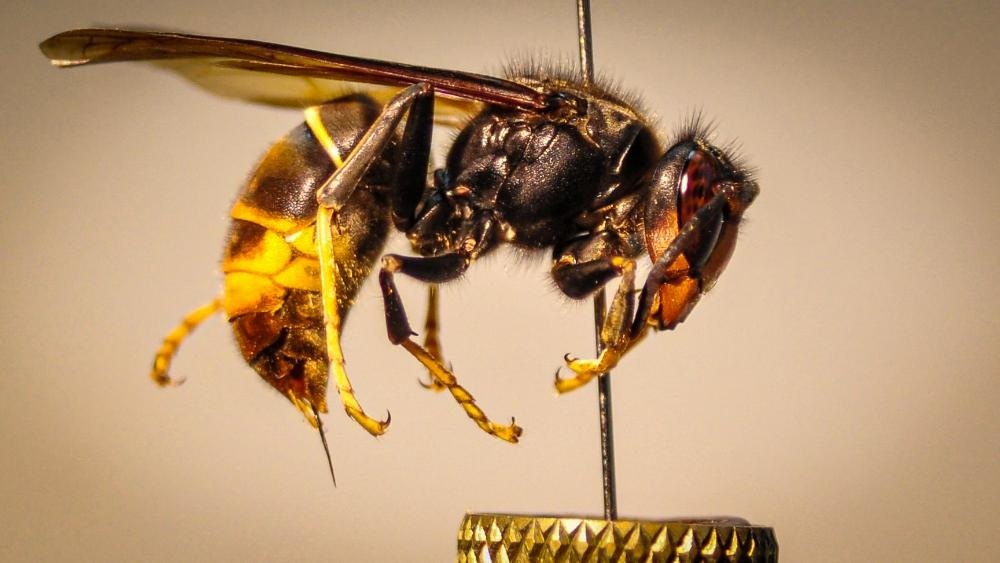
Tenerife Launches Emergency Strategy to Combat Invasive Asian Hornet Threat
Tenerife authorities have launched an emergency containment strategy to protect local ecosystems and the beekeeping industry following the arrival of the invasive Asian hornet in Gran Canaria.
The arrival of the invasive Vespa velutina (Asian hornet) in Gran Canaria has sparked urgent concern across the Canary Islands. Authorities are now racing to protect local ecosystems and the beekeeping industry from the threat this predator poses to biodiversity and honey production.
In response, the Cabildo of Tenerife has convened an emergency meeting of the Beekeeping Board to develop a strategy to prevent the hornet from spreading to the island. Led by Valentín González, Councilor for the Primary Sector, the initiative brings together experts from the "Casa de la Miel" and major producer organizations—Apiten, Foapi, and Apiteide. These groups are deeply concerned about the hornet’s potential to devastate honeybee colonies, which are vital for both the environment and local agriculture.
The new containment plan focuses on two main areas: public awareness and technical action. A public information campaign will soon launch to help residents identify the hornets and report sightings. Simultaneously, a new committee featuring experts from the Cabildo, the regional government, and the University of La Laguna has been formed. This group will coordinate rapid, science-based responses to neutralize any potential outbreaks before they become unmanageable.
This proactive approach is essential for the survival of the Canarian beekeeping sector, which is already struggling with the effects of climate change and other invasive species. By combining government resources with academic expertise, officials hope to safeguard native wildlife against a predator that has already proven highly adaptable in other parts of Europe.