
Tenerife launches a space program: the island will build eight of its own satellites
Tenerife is investing 21.3 million euros in the construction of eight of its own satellites to monitor climate, manage resources, and respond to emergencies, with plans to launch them by 2027.
As Neil Armstrong, the first man on the Moon, said, "That's one small step for a man, a giant leap for mankind." Similarly, on Tenerife, the island is taking a big step into space!
Local authorities have announced the launch of a competition to build their own satellites. An investment of 21.3 million euros will be made in this endeavor.
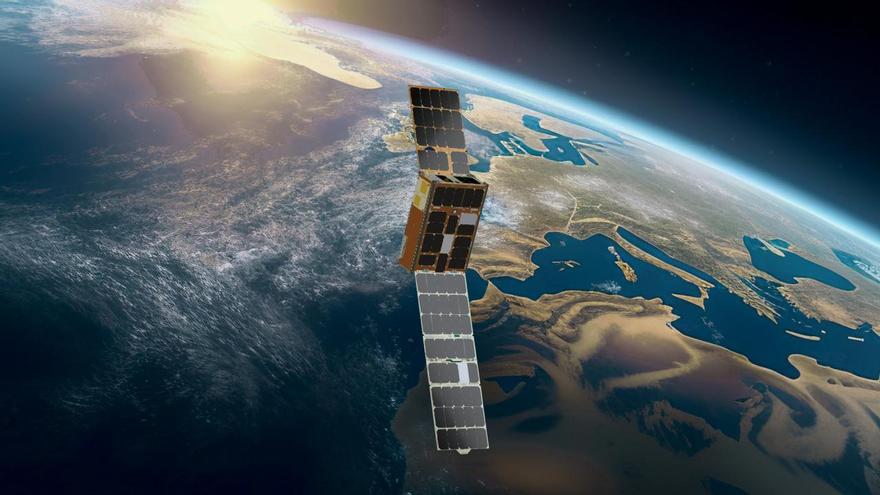
The plan is to launch eight modern satellites by the end of 2026 or early 2027. They will take images and collect data to help the island combat climate change, use natural resources wisely, respond quickly to emergencies, and develop technology.
These space "guards" will take high-quality images of Tenerife and all the Canary Islands. They will be able to see in infrared, visible, and thermal ranges. This will help in responding quickly to emergencies.
The satellites will also monitor the weather so that farmers can use water more efficiently for irrigation, detect the effects of global warming in time, and improve urban planning. In addition, this will boost the development of the aerospace industry in the Canary Islands.
The Science and Technology Park of Tenerife, located in the town of La Laguna, will be responsible for organizing the competition and implementing the project.
The President of the Cabildo of Tenerife, Rosa Dávila, assured that the satellites will be entirely made on Tenerife by local specialists.
The entire project will be supervised by the Institute of Astrophysics of the Canary Islands (IAC). "Everything, from start to launch, will be done here in Tenerife," Rosa Dávila emphasized. "This will make Tenerife a leader in science and research."
Thanks to these satellites, the Canary Islands will become one of the few places in the world that will have constant information from space about their territory.
The satellites will assist in many areas, from assessing the spread of forest fires to monitoring illegal immigration and volcanic eruptions. The images will be used in an intelligent emergency management system (SIGE).
This project became possible after the IAC successfully launched the Alisio-1 satellite in late 2023. It is the first satellite entirely created in the Canary Islands. This was an important step in the IAC's space program, which began in 2015, and one of the first steps of the Canary Islands in their own space race.