
Tenerife Launches €3 Million Emergency Plan to Save Endangered Species
The Tenerife government has launched a three-million-euro emergency plan to combat the extinction of fifteen native species threatened by human activity and invasive organisms.
Tenerife’s natural heritage is at a turning point, with fifteen species of plants and animals now on the brink of extinction. To address this, the island’s government has launched a three-million-euro emergency plan to protect its most unique ecosystems. This initiative highlights just how fragile the island’s environment is; when a species is lost here, it is a permanent blow to global biodiversity.
Experts point to human activity as the main cause of this decline. Because Tenerife is geographically isolated, its native plants and animals have no natural defenses against invasive species. As these foreign plants and animals spread, they disrupt the island's delicate biological balance. Blanca Pérez, the Minister of the Natural Environment, has stressed the need to remove these invasive species while increasing the production of native plants in local nurseries to help restore protected areas.
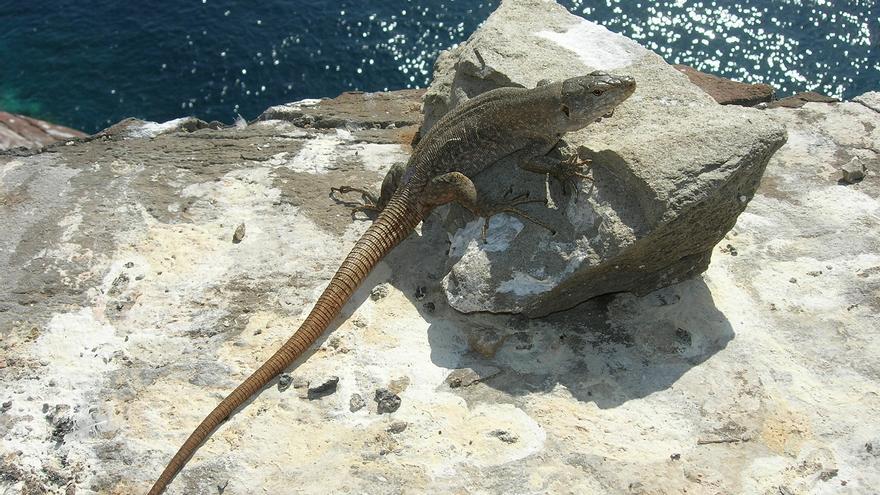
Human behavior is a major factor in this crisis. The abandonment of pets, such as dogs and cats, is not only illegal but poses a direct threat to native wildlife like the Tenerife giant lizard and ground-nesting birds. Furthermore, the release of exotic pets and the planting of non-native vegetation—often done without realizing the consequences—displace local species and simplify the island’s complex ecosystems.
While the Cabildo de Tenerife is investing money and enforcing environmental laws, they emphasize that lasting change requires a shift in public behavior. While there are penalties for breaking environmental rules, officials warn that public awareness is the only way to stop the damage. The survival of iconic species, such as the blue chaffinch and the silver thistle, serves as a test of our collective responsibility to protect an environment that is too unique to risk losing.