
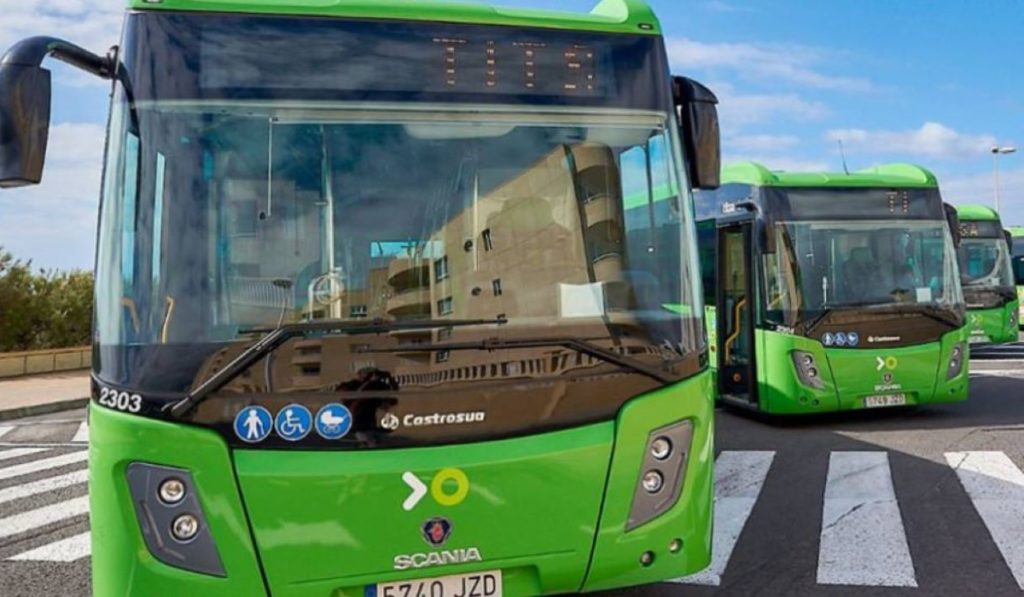
Tenerife Launches €2.5 Million Demand-Responsive Bus Service for Rural Areas
The Tenerife Island Council has awarded a €2.5 million contract to implement a demand-responsive bus system across 14 municipalities, aiming to improve public transport connectivity for over 54,000 residents in rural areas.
The Tenerife Island Council is changing how it manages public transport by moving away from rigid, fixed bus routes toward a flexible, demand-responsive system. The council has awarded a contract worth over 2.5 million euros to launch a digital platform that will coordinate these services over the next four years, specifically targeting areas with lower population density.
Building on a successful pilot program in the south of the island, the project will now expand to 14 municipalities across five key areas: Tacoronte-El Sauzal, Santa Úrsula-La Victoria-La Matanza, Los Silos-El Tanque-Garachico, La Guancha-San Juan de la Rambla, and will continue in Arico, Fasnia, and Güímar. This shift aims to solve a long-standing issue in the Canary Islands: connecting rural communities where traditional bus schedules are often inefficient.
The new system is designed to support over 54,000 residents. It is intended for those living more than 400 meters from a standard bus stop or in areas where wait times for public transport exceed 30 minutes. To manage the service, the council will establish a dedicated user center and deploy a fleet of two to four vehicles, depending on demand. The service will operate Monday through Friday, from 6:00 a.m. to 9:00 p.m.
Island President Rosa Dávila stated that the project is part of a broader strategy to use public resources more effectively by adapting transport to the island’s unique geography. Mobility Minister Eulalia García added that the new digital infrastructure will allow for automated bookings and real-time tracking of vehicles.
Beyond improving local connectivity, this initiative aligns with European sustainable mobility goals to reduce reliance on private cars in rural regions. By using technology to bridge the accessibility gap for more than 13,000 people in remote areas, the Island Council hopes to create a model that could be adopted by other regions facing similar demographic challenges.