
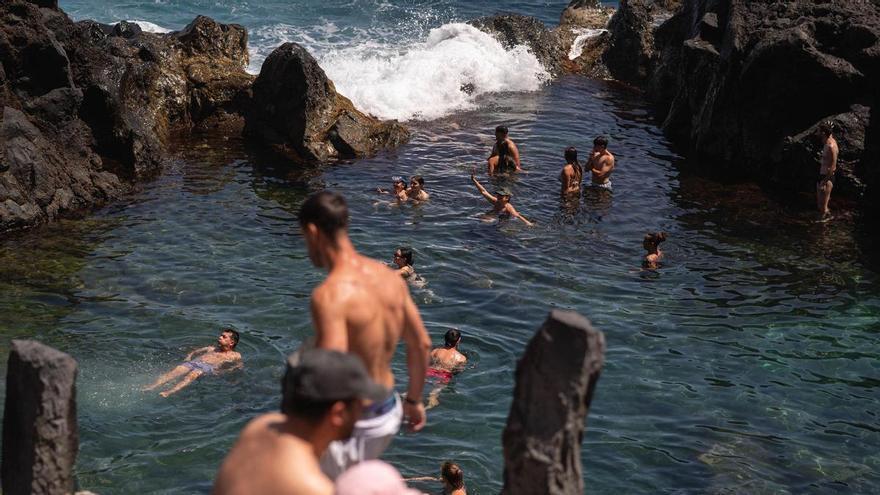
Tenerife Issues Health Alert Over Extreme UV Radiation Levels
Tenerife has issued a health alert for exceptionally high ultraviolet radiation levels from July 6 to July 10, 2026, prompting authorities to urge residents and visitors to prioritize sun protection.
Tenerife is under a health alert this week due to exceptionally high ultraviolet (UV) radiation levels. According to the Canarias Saludable platform and the State Meteorological Agency (AEMET), the island will face intense sun exposure from July 6 to July 10, 2026. Experts warn that the risk of skin and eye damage is high, even on cloudy or cooler days.
The highest risk areas include the metropolitan region, the southeastern coast, and parts of the south. Specifically, the alert covers Santa Cruz de Tenerife, La Laguna, Tegueste, Candelaria, Arafo, Güímar, Fasnia, Arico, and Adeje, as well as the northern towns of La Victoria de Acentejo, El Sauzal, and Tacoronte. While other areas of the island are not at the maximum alert level, authorities stress that everyone should prioritize sun protection regardless of their location.
The primary danger is the cumulative effect of UV rays. Prolonged exposure—especially between 11:00 a.m. and 6:00 p.m.—significantly increases the risk of sunburn, eye irritation, and long-term health issues. It is a common mistake to assume that clouds or a breeze offer protection; surfaces like sand, water, and grass can reflect UV rays, increasing your exposure even in the shade.
To stay safe, health officials recommend the following:
- Use high-factor sunscreen: Apply SPF 50 or higher generously and reapply every two hours, or immediately after swimming or sweating.
- Wear protective gear: Use wide-brimmed hats, certified sunglasses, and appropriate clothing.
- Limit outdoor activity: Avoid strenuous physical exercise during peak sunlight hours.
If you experience severe sunburn, fever, or feel unwell, get out of the sun immediately and seek medical advice if symptoms persist. While this alert is specific to Tenerife, the entire Canary Islands region faces similar risks, making consistent sun safety essential regardless of the daily weather forecast.