
Tenerife Invests €3.58 Million to Expand Community Organic Waste Composting
The Tenerife Island Council has announced a 3.58 million euro investment to decentralize organic waste management and expand its "Circular Communities" composting network through 2031.
The Tenerife Island Council is investing 3.58 million euros over the next several years to decentralize how the island manages organic waste. The project, managed by the public company GESPLAN, will run from 2026 to 2031 to ensure the long-term stability of the "Circular Communities" network. Rather than just installing equipment, the initiative focuses on carefully managing the biological processes needed to turn organic waste into compost.
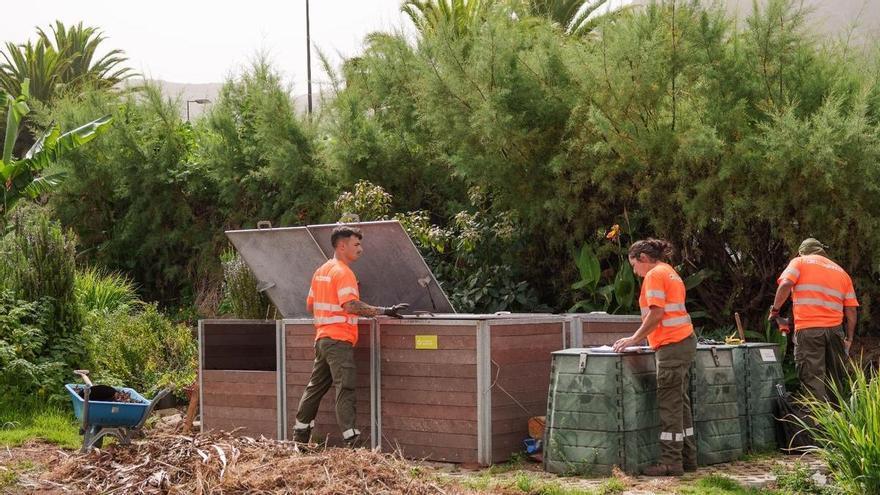
Currently, the program operates 48 composting sites across 12 municipalities, including Arico, La Laguna, Granadilla de Abona, and Puerto de la Cruz. By processing organic waste locally—in schools, community gardens, and neighborhoods—the Council aims to reduce the burden on the island’s main waste treatment system and promote a circular economy. Under the guidance of the Ministry of Natural Environment, Sustainability, Security, and Emergencies, GESPLAN will standardize treatment methods and conduct regular testing to ensure the quality of the compost produced.
The funding is spread across the six-year period: an initial 351,466 euros in 2026, followed by 747,245 euros annually from 2027 to 2030, and a final 247,629 euros in 2031. This budget covers logistics, machinery maintenance, and 112,500 euros specifically for public awareness campaigns, which are essential for the program's success.
This initiative builds on a 2022 pilot project and subsequent European Next Generation funding, which requires these facilities to remain active for at least five years. By involving residents in the waste management process, the Council is working to meet recycling targets and shift away from landfill reliance toward a more sustainable, controlled model of biological waste treatment. This new funding ensures that existing sites will continue to operate while providing the technical support needed to expand the network to new locations.