
Tenerife Invests €250,000 to Preserve Cueva de los Cabezazos Archaeological Site
Tenerife is investing 250,000 euros to preserve the Cueva de los Cabezazos and develop an interpretation center aimed at showcasing the island's aboriginal history.
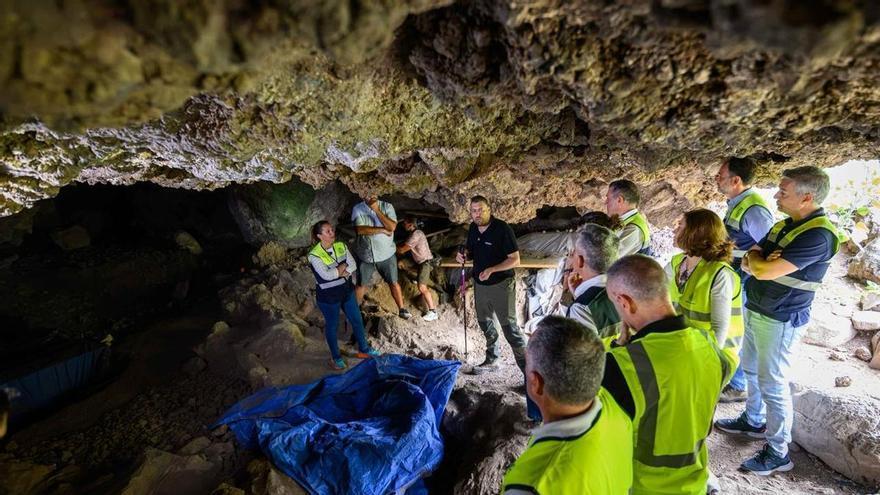
Tenerife’s archaeological heritage has received a significant funding boost. The Island Council and the Canary Islands Government have agreed to invest 250,000 euros to preserve and develop the Cueva de los Cabezazos in Tegueste. The two administrations will split the cost equally to finish the site’s interpretation center and create controlled walking paths for visitors. The cave has been officially recognized as a Property of Cultural Interest since 2006.
Island President Rosa Dávila and Director General of Culture Miguel Ángel Clavijo presented the project on July 9. The goal is to turn this scientific research site into a cultural and tourist landmark. The funding will allow the center, already built in the Plaza de San Marcos, to be fully equipped with exhibits that explain the historical importance of the Barranco Agua de Dios.
The Cueva de los Cabezazos is a vital site for understanding the island's aboriginal history. Research by the University of La Laguna has confirmed that the cave was used continuously from the 7th to the 15th century. Through carbon-14 dating and DNA analysis of organic remains, experts have gained new insights into the daily lives of the island's ancient inhabitants, showing that the space was used for both human living and livestock.
The site is particularly valuable because it provides a factual, scientific look at Canarian prehistory, avoiding common myths. By studying remains and chemical residues in pottery, archaeologists can accurately reconstruct the diet, health, and daily habits of the Guanches.
Tegueste Mayor Norberto Padilla described the investment as a major milestone for local heritage. The opening of the interpretation center aims to share history with the public while helping to protect the nearly 100 archaeological sites located in the surrounding ravine. With this funding, authorities hope to balance the preservation of this unique legacy with sustainable, educational tourism.