
Tenerife Introduces Entry Fees for Natural Sites to Combat Mass Tourism
Tenerife is implementing new access fees and stricter capacity controls for non-residents at popular natural sites like El Pijaral to mitigate the environmental impact of mass tourism.
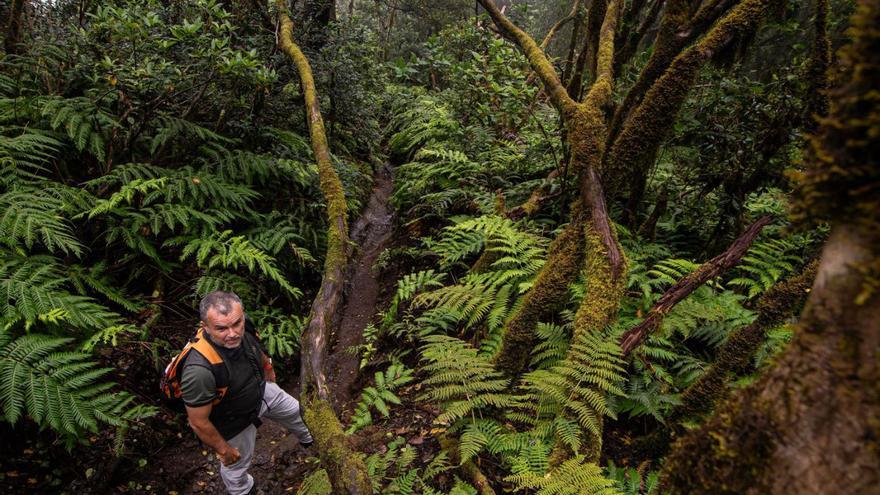
Tenerife is changing how it manages its natural spaces. The island’s government, the Cabildo, has announced that visitors who are not residents will now have to pay an access fee to enter El Pijaral in the Anaga mountains. This move is part of a wider effort to protect the island’s delicate ecosystems from the impact of mass tourism, joining about 40 other locations already under similar capacity controls.
With tourism reaching 7.5 million visitors in 2025, the local administration has had to tighten restrictions. El Pijaral, a popular laurel forest that saw over 31,000 hikers last year, will move from free access to a paid model. Similar systems are already in place at other high-traffic sites, including the Masca ravine, the Barranco del Infierno, and the trails leading to the peak of Mount Teide, where non-residents typically pay a 15-euro fee.
The Department of Natural Environment maintains that these measures are essential. By combining a mandatory booking system—managed through the "Tenerife On" digital platform—with entry fees, the government hopes to deter overcrowding in a region where more than half of the land is environmentally protected. In areas like Anaga, these controls aim to reduce traffic congestion, which has become a growing source of tension for local residents, and encourage the use of shuttle buses instead.
Beyond hiking, the administration is also updating rules for the island’s 15 official camping areas to stop users from making multiple, irregular bookings that prevent others from visiting. New infrastructure for campervans is also being planned for areas like Pinalito and El Médano to accommodate the rising number of travelers using this mode of transport.
The Cabildo is also regulating high-impact activities, including canyoning in spots like Los Carrizales and climbing at the Guaria and El Roquito cliffs. By expanding these policies, Tenerife hopes to balance its popularity as a tourist destination with the long-term need to protect its biodiversity from the wear and tear caused by its viral status on social media.