
Tenerife Installs Artificial Bat Nests to Aid Recovery After Devastating Forest Fire
The Tenerife Island Council has installed 108 artificial nesting boxes to support the recovery of local bat populations following the devastating 2023 Corona Forestal wildfire.
Recovering from the devastating 2023 forest fire that destroyed 14,751 hectares in Tenerife involves more than just replanting trees; it requires active efforts to protect the wildlife essential to the forest's balance. The Tenerife Island Council has stepped up a conservation program for local bat populations, whose survival was put at risk when the Corona Forestal fire destroyed their natural habitats.
Managed by the Technical Service for Forestry Planning and Projects, the initiative addresses an urgent environmental need. With their natural shelters gone, the administration has installed 108 artificial nesting boxes to provide new homes for the bats. By combining these shelters with acoustic monitoring technology, experts hope to help the six bat species on the island recolonize the area and stabilize their populations.
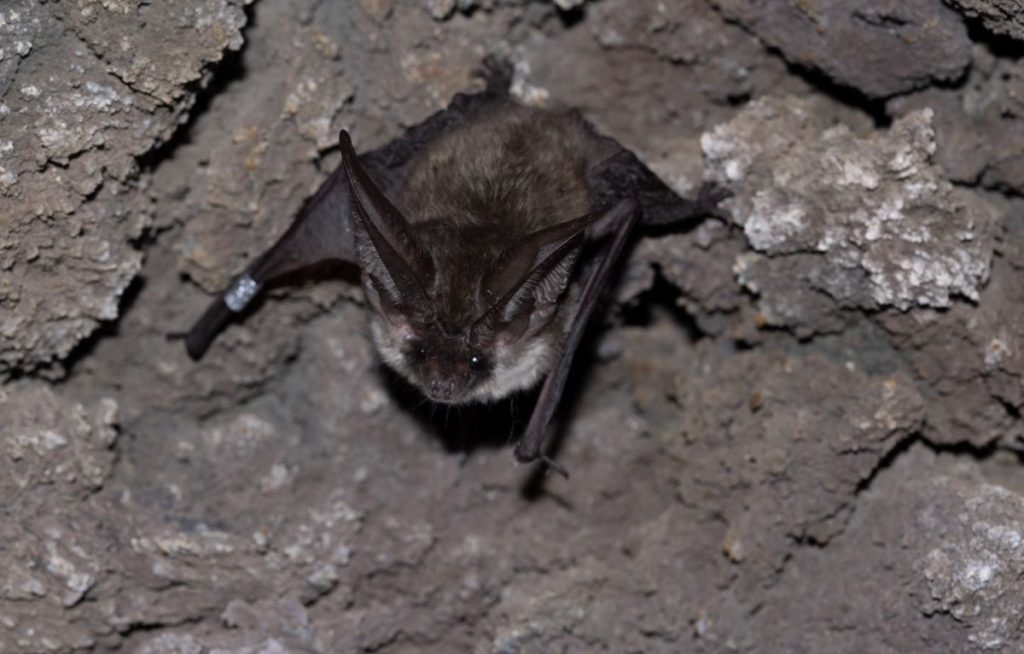
This work is vital because Tenerife is home to unique and ecologically important species, including the Madeira pipistrelle, the lesser noctule, the mountain bat, and the European free-tailed bat. Of particular concern is the Canary long-eared bat, an endemic species classified as "critically endangered" by the International Union for Conservation of Nature (IUCN). Protecting this mammal, along with the Canary barbastelle—a subspecies found only in the archipelago—is essential to preventing the permanent loss of the island’s genetic heritage.
Tenerife Island Council President Rosa Dávila emphasized that restoring the forest is a complex task that goes beyond simply replanting trees. The council’s strategy highlights the crucial role bats play in the ecosystem; their presence is a key indicator of environmental health. This long-term project treats wildlife protection as an essential step in ensuring the pine forests remain resilient against future climate challenges and human impact.