
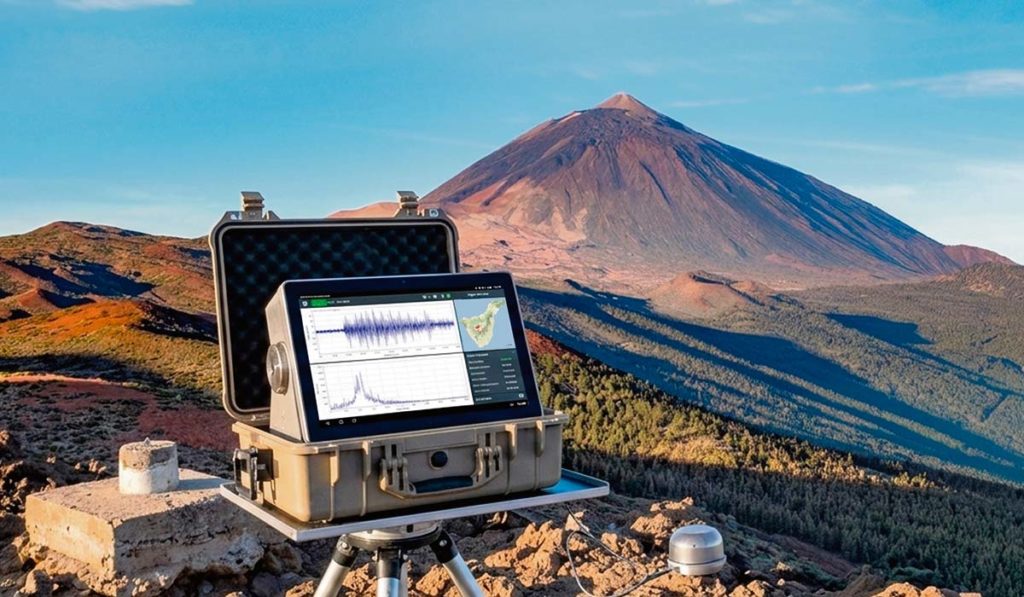
Tenerife Increases Volcanic Monitoring Following Unusual Seismic Swarms
Authorities in Tenerife have increased monitoring of the island's volcanic system following a series of persistent seismic swarms, though experts emphasize that the risk of an imminent eruption remains low.
Monitoring of Tenerife’s volcanic system has increased following an unusual cycle of seismic activity that began last February. The Pevolca advisory committee has scheduled quarterly meetings to track these developments, noting that while the activity is not typical, there are currently no signs of an imminent eruption.
The National Geographic Institute (IGN) in the Canary Islands is focusing on the persistence of these seismic swarms. Unlike patterns seen before 2026, where tremors were brief, the current activity can last for several days. Since the start of summer, three new episodes have been recorded, showing an increase in low-frequency signals—a sign that fluids are moving underground.
Despite this, experts emphasize that there are no critical warning signs, such as significant ground deformation or magmatic intrusions. Because of this, the volcanic risk level remains low. While the chance of an eruption in the near future is unlikely, scientists are maintaining constant surveillance, given the island’s long history of volcanic activity.
Protocols are in place should the situation change. Authorities would only be concerned if earthquakes became stronger, occurred at shallower depths, or were frequently felt by residents. Currently, the tremors are only detectable by sensitive instruments and have not been felt by the public. This ongoing monitoring ensures that officials can react quickly if conditions shift, as volcanic activity typically provides weeks or months of warning before a major event.