
Tenerife Hosts Expert Talk to Re-examine the Historical Legacy of Caligula
Historian Óscar Hernández Abreu will host a lecture on Caligula this Friday in Tenerife, aiming to reconcile the Roman emperor's controversial reputation with modern archaeological evidence.
Revisiting the lives of history’s most controversial figures is a vital part of modern historical study, helping to separate scientific fact from later storytelling. As part of the cultural programming in Tenerife, the Royal Economic Society of Friends of the Country of Tenerife will host a talk on Gaius Julius Caesar Augustus Germanicus—better known as Caligula—this Friday, May 22.
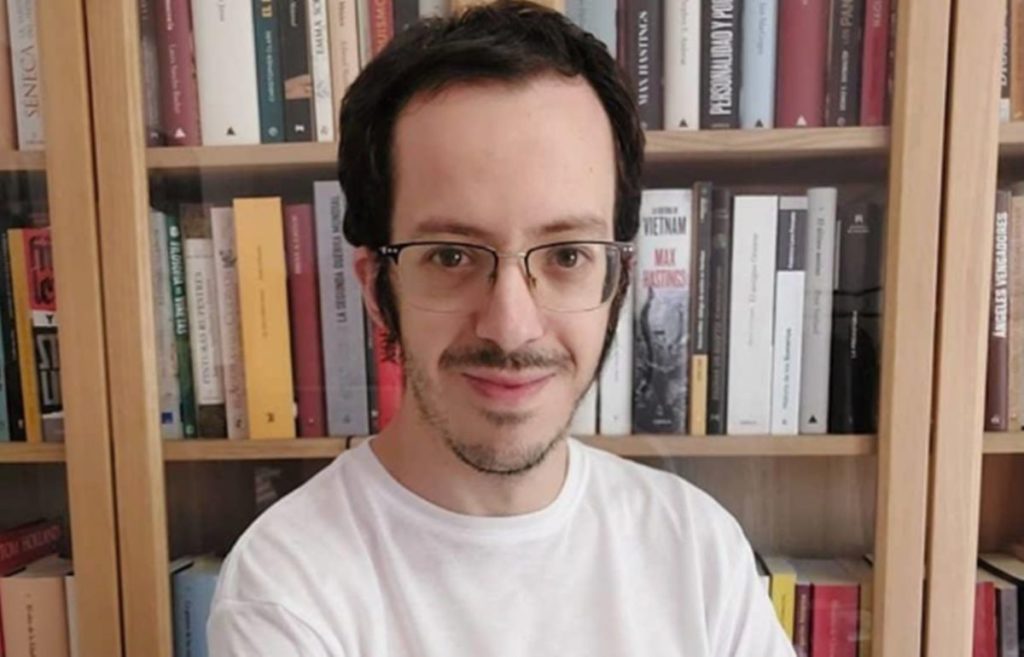
The event is part of the XIII Cycle of Classical Gatherings La Laguna 2026 and will feature a presentation by historian Óscar Hernández Abreu. Hernández Abreu is well-known for his digital platform, Historiae, which reaches 30,000 podcast listeners monthly and has over 100,000 followers. He also contributes to publications like Muy Historia and frequently works with institutions such as the Military Historical Museum of the Canary Islands. In his talk, he aims to compare the emperor’s popular image with the actual historical evidence.
The presentation will explore the gap between the traditional literary view of Caligula—often depicted as mentally unstable and depraved—and what the physical evidence tells us. Using modern archaeological findings and a fresh look at classical sources, the University of La Laguna graduate hopes to move past the myths surrounding the ruler, who took power at just 24, to better understand the political and social realities of his reign.
This initiative is coordinated by Jorge García Hernández, Alejandro Martín Bolaños, Julieta Valentina Bertoldi, and Víctor G. Hernández, with support from the La Laguna City Council’s Department of Culture and the Spanish Society of Classical Studies (Canary Islands section). The session begins at 6:30 p.m. and offers a chance to see how modern historians are moving beyond old caricatures to uncover the true complexity of Roman imperial leadership.