
Tenerife Honors First Victim of 1936 Coup in Historical Reconciliation Effort
The Association for the Recovery of Historical Memory of Tenerife honored Francisco Muñoz Serrano, the first person killed in the city during the 1936 coup d'état, with a tribute in Santa Cruz de Tenerife.
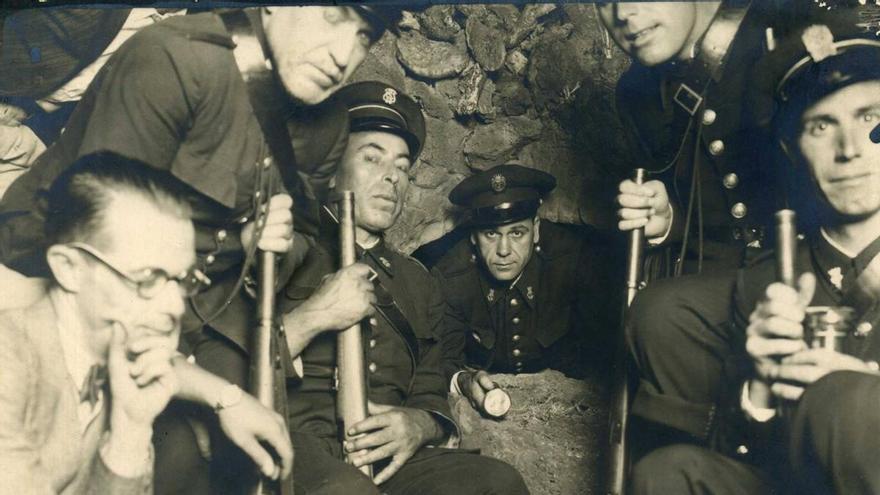
The Canary Islands took a meaningful step toward historical reconciliation this weekend by honoring Francisco Muñoz Serrano. A corporal in the Assault Guard, Muñoz Serrano is identified by the Association for the Recovery of Historical Memory of Tenerife (ARMHT) as the first person killed on the island during the 1936 coup d'état. The tribute, held at the intersection of Castillo and Cruz Verde streets in Santa Cruz de Tenerife, aimed to reclaim the history of that day and offer long-overdue recognition to a victim of the conflict.
Muñoz Serrano, a 35-year-old from Córdoba, had moved to Tenerife in 1933. His death occurred during the only armed clash in the city during the initial hours of the uprising. He was killed while attempting to restore order and assist the civil governor, Manuel Vázquez Moro, who had been detained by rebel forces. Research by Pedro Medina Sanabria confirms that the shootout also claimed the life of soldier Santiago Cuadrado and led to the subsequent execution of their commanding officer, Lieutenant Alfonso González Campos.
For decades, the official narrative of the regime ignored the stories of people like Muñoz Serrano, a father of four who was left to be forgotten while his family struggled in poverty. His descendants, who attended the ceremony, spoke of the generational trauma caused by this silence and the importance of finally acknowledging his role in resisting the coup.
Mercedes Pérez Schwartz, president of the ARMHT, emphasized that this tribute is part of a larger effort to address the lack of historical education and the continued presence of controversial monuments in public spaces. She argues that remembering specific individuals is essential to challenging the myths surrounding this period of history.
The event served as a reminder that behind every statistic from the Civil War lies a life cut short by violence. As Spain continues to navigate the policies of the Democratic Memory Law, the ARMHT is advocating for a shift in focus: moving away from grand monuments and toward the simple, dignified recognition of the individuals who suffered during the conflict.