
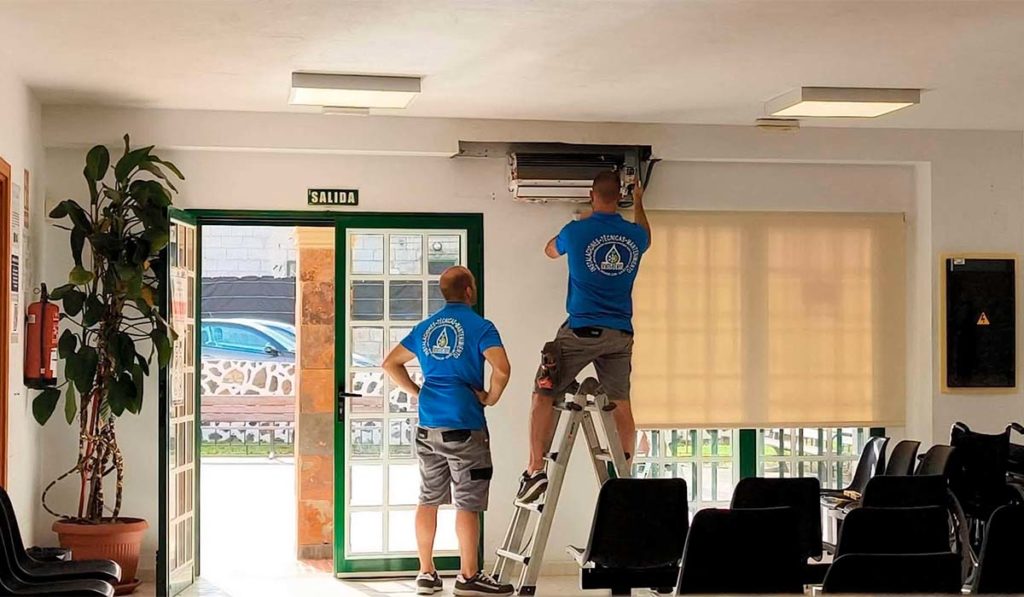
Tenerife Health Centers Face Infrastructure Crisis Amid Extreme Heatwaves
A Diario de Avisos investigation has revealed that 80% of southern Tenerife's health centers suffer from inadequate cooling systems, prompting a 1.4 million euro modernization pledge to address risks posed by extreme heat.
Recent heatwaves have exposed serious flaws in the healthcare infrastructure of southern Tenerife, specifically regarding failing air conditioning systems in local health centers. An investigation by Diario de Avisos found that 80% of the 30 facilities surveyed across 11 municipalities have broken, inadequate, or only partially working cooling systems. This is putting both patients and medical staff at risk.
The issue stems from outdated buildings. Primary Care Management explains that many of these centers were built without mechanical ventilation, making it difficult to install modern systems. To address this, the administration has pledged 1.4 million euros to modernize the facilities. This is a critical step, as temperatures in some waiting rooms—such as those in Arona—have exceeded 30°C (86°F), leading to patients fainting.
The situation varies significantly by location. While centers in Candelaria and Arico are currently being upgraded, others remain in a critical state. In Arona, facilities in Arona Casco, Buzanada, and Cabo Blanco are relying on fans and portable units. Similar problems are reported in Fasnia, Granadilla, Puerto Santiago, Güímar, El Escobonal, and El Puertito.
In other areas, the cooling is inconsistent. El Mojón Hospital has issues in its waiting areas and rooms, while the Las Galletas clinic struggles with cooling in its consultation rooms. Towns like Chío, El Médano, and Tamaimo have systems that only work in certain parts of the building. Meanwhile, Adeje’s facilities are not operating optimally, and in San Miguel de Abona, the local council had to step in to install new equipment at the Guargacho health center.
This is more than just a matter of comfort; it is a public service challenge in the face of climate change. Relying on temporary fixes like portable fans is no longer sustainable. As extreme heat becomes more frequent, there is an urgent need for consistent investment to ensure that healthcare facilities are safe, efficient, and fit for purpose.