
Tenerife Hamlet Struggles to Balance Rural Tradition with Modern Repopulation Efforts
The Tenerife hamlet of El Riego faces a critical crossroads as long-term residents and new settlers struggle to preserve the community amid infrastructure deficits and the decline of traditional agriculture.
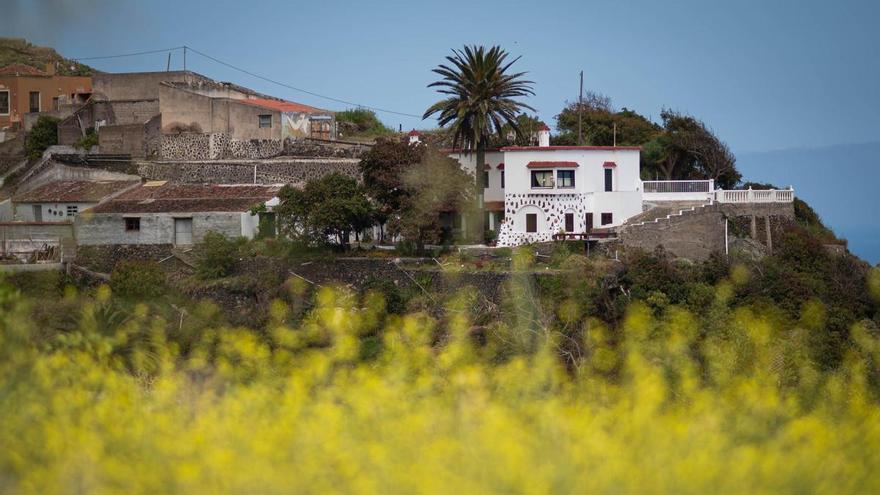
The hamlet of El Riego, located in the Tenerife municipality of Los Realejos, has become a focal point for the tension between rural decline and new efforts to repopulate the countryside. Despite its potential, the settlement struggles with a lack of basic infrastructure, most notably a reliable drinking water supply. Residents are calling on local authorities to provide these essential services and to better maintain the area's access roads.
The community is currently a mix of long-time locals and newcomers, reflecting a shift in both lifestyle and demographics. Carlos López Hernández, a lawyer who moved from Barcelona seven years ago to start an organic farm and rural tourism project called La Espiral, represents a growing trend of urbanites seeking a quieter life in nature. These new residents accept that living in El Riego requires relying on private vehicles to reach essential services in nearby towns like Icod El Alto.
In contrast, long-term resident Jerónimo Romero López offers a more pessimistic view of the area's future. A traditional farmer who avoids chemical additives, Romero believes that agricultural activity is dying out due to a lack of institutional support and the fact that younger generations are no longer taking up the trade. He notes that the old model of self-sufficiency and bartering has been replaced by a total dependence on outside markets.
This struggle is common in many mid-altitude areas of the Canary Islands, where a disconnect between the government and local people makes sustainable living difficult. While new settlers hope to turn rural heritage into an economic asset, long-term residents worry that traditional knowledge—such as ethnobotany and ancient farming techniques—is being lost forever.
The coexistence of these two groups shows that, despite limited resources, there is still a community working to keep El Riego alive. The future of the hamlet depends on a delicate balance: the government must provide basic services, while residents must find a way to blend traditional agricultural wisdom with modern management to ensure the landscape survives.