
Tenerife Hamlet Faces Uncertain Future as First Birth in Decades Sparks Hope
The remote Tenerife hamlet of El Batán is fighting to reverse decades of depopulation as residents call for improved infrastructure to support the village's first birth in over twenty years.
The hamlet of El Batán, tucked away in Tenerife’s Anaga Rural Park, offers a compelling look at the struggle against rural depopulation in Spain. Once home to 400 people in the 18th century, the village now has just 60 residents. Its survival remains a delicate balancing act, depending as much on the determination of those who live there as it does on the availability of basic public services.
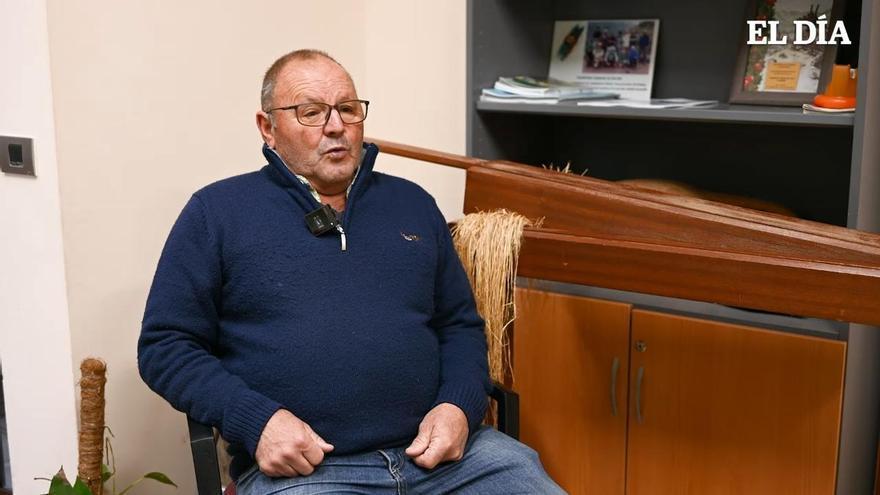
A recent milestone has brought a glimmer of hope: the village is expecting its first birth in over two decades. This event highlights the vital role of family succession in keeping rural communities alive. Local resident Emiliano Ramos Martín is currently renovating his family home to welcome his future grandchildren, a personal commitment that stands in stark contrast to the area's history of neglect.
For years, El Batán has been held back by a lack of infrastructure. Electricity and paved roads did not arrive until 1983, and today, residents still struggle with the digital divide, including poor mobile coverage and a lack of fiber-optic internet. These connectivity issues, combined with limited public services—such as the absence of local shops and only monthly medical visits—make daily life challenging.
Despite these obstacles, the community remains remarkably resilient. They maintain an active social life, including a neighborhood newsletter that has been published continuously for 27 years. The village’s rugged terrain has long forced residents to adapt, relying on traditional subsistence farming and forest resources.
Today, the people of El Batán are looking to modernize without losing their unique identity. However, their future depends on more than just local effort. For life in this remote corner of the Anaga Massif to be a sustainable choice rather than a daily struggle, authorities must step up to provide the essential infrastructure and transport links that the community needs to thrive.