
Tenerife Flooding Sparks Calls for Audit of Rural Drainage Systems
Residents of El Pris, Tenerife, are demanding a technical audit of nearby agricultural drainage systems after Storm Therese caused severe flooding that exposed critical failures in local infrastructure.
Land management and urban planning in mid-altitude areas are back under the spotlight following torrential rain in El Pris, Tenerife, this Tuesday. Storm Therese exposed the coastal town’s vulnerability to uncontrolled runoff, which residents blame on recent changes to drainage systems on nearby agricultural land in San Juan.
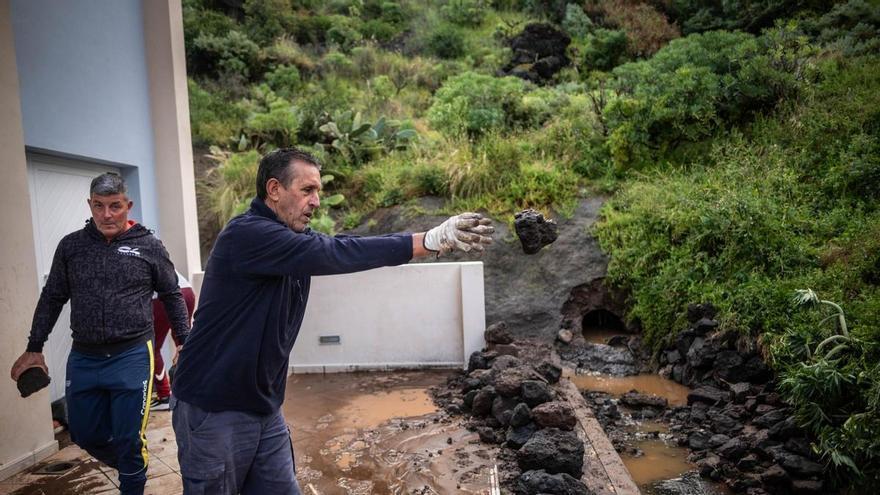
The flooding was caused by a failure in the local water evacuation infrastructure. On the afternoon of March 24, more than 60 liters of rain per square meter fell in just two hours. Without clear natural channels to follow, the water surged toward the coast, flooding homes, garages, and roads. A power outage during the storm further complicated the emergency response.
Local residents, including the Molina family on Pescadores Street, described a desperate situation. The water pressure was strong enough to dislodge metal covers from underground pipes, forcing neighbors to use their own vehicles and wooden planks to block the water from entering their homes. Residents also reported that emergency services were delayed and lacked the necessary equipment to handle the crisis effectively.
The incident has reignited the debate over administrative responsibility for rural land management and its impact on nearby communities. Regulations require that any changes to agricultural land must ensure that rainwater runoff does not endanger populated areas. Because residents believe the work in San Juan triggered the flooding, there are growing calls for a technical audit to determine if the new drainage systems meet safety standards or if they have dangerously altered the natural flow of water down the hillside.
As cleanup efforts continue, the events in El Pris serve as a stark reminder of the need to update risk prevention plans across the Canary Islands. The region’s unique topography and urban growth make it essential to strictly monitor and maintain drainage infrastructure to protect residents from future climate-related disasters.