
Tenerife Firefighting Units Face Instability Amid Pay Disparity and Staffing Crisis
Tenerife’s firefighting teams face instability and high turnover due to significant pay and scheduling disparities between permanent Cabildo staff and outsourced Gesplan workers.
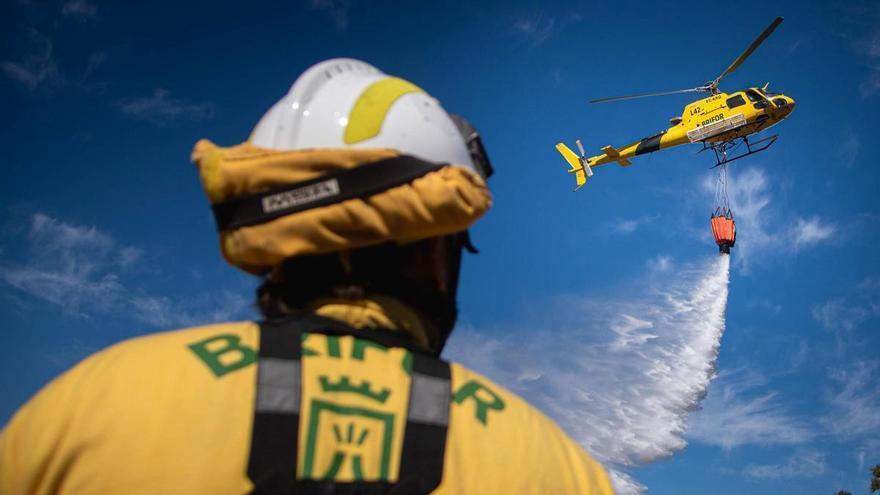
The management of Tenerife’s firefighting teams is once again under fire. A growing divide between the Cabildo’s permanent staff and workers hired through the public company Gesplan has sparked public debate, as both groups perform the same duties but face significant differences in pay and scheduling. Experts warn that this disparity threatens the stability of these teams, which is critical for safety in high-risk areas.
Union representatives from the UGT have criticized the current outsourcing model. This year, the firefighting unit consists of 760 professionals, including 105 Gesplan employees and 216 Cabildo staff. The working conditions for these teams are difficult: salaries hover around 1,300 euros, shifts last twelve hours, and travel time to remote locations like Vilaflor—which can add up to three hours a day—is not counted as working time.
This instability leads to high turnover, with nearly 60% of reinforcement staff being new each season. This makes it difficult to maintain the veteran expertise needed to handle emergencies effectively. However, change may be on the horizon; a new collective bargaining agreement for Gesplan is expected to provide salary increases of up to 30%, updating a pay structure that has been frozen since 1998.
The conflict has also reached the Canary Islands Labor Court. The UGT is pushing for the formal recognition of "forest firefighter" as a professional category, a move the company has agreed to pursue with Social Security. Even so, the union argues that the core issue is a lack of funding for these management contracts, which prevents the company from offering better terms. While the Cabildo and Gesplan maintain that they are operating within the law, industry experts warn that without a fundamental review of the current model, the island will continue to struggle to retain the skilled workers needed to keep the region safe.